






















Inflation unexpectedly held steady at 2.8% in the 12 months to May, as the pace of food price rises slowed to a 17-month low, according to official figures.
The flatlining came despite economists forecasting a rise to 3% as the Middle East conflict impacted energy prices.
The Office for National Statistics said transport made the largest upward contribution to May’s figures, with prices in the transport division rising by 6.8% in the year to May, up from 4.5% in the 12 months to April.
The May annual rate was the highest recorded since December 2022.
The main drivers behind the increase in the transport rate were air fares and motor fuels, the ONS said. The average price of petrol rose by 0.6 pence per litre between April and May 2026, compared with a fall of 2.1 pence per litre between April and May 2025.
The average price stood at 157.4 pence per litre in May, its highest price since November 2022, amid the ongoing conflict in the Middle East. It resulted in overall motor fuel prices rising by 24.6% in the 12 months to May 2026, compared with a rise of 23% in the 12 months to April.
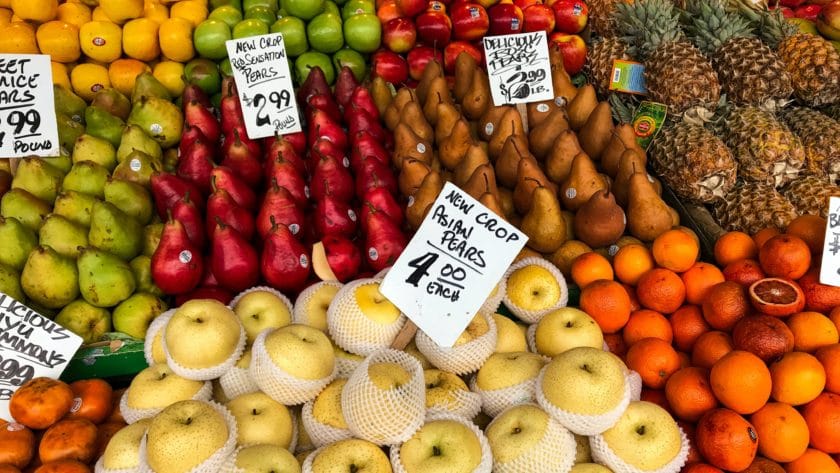
However, that was offset by lower food prices, with decreases seen across meat, dairy, vegetables and fish. The data showed food and non-alcoholic beverage prices rose by 2.2% in the 12 months to May 2026, down from 3% in the 12 months to April. The rate was the lowest since December 2024 when it was 2%.
Danni Hewson, head of financial analysis at AJ Bell, said: “It would be churlish not to at least quietly celebrate the fact that prices haven’t risen by as much as many economists had feared.
“Today’s numbers will be scrutinised by the Bank of England’s rate setters when they gather tomorrow and market expectation is near 100% that there will be no rate rise at this meeting. There’s even increasing speculation that any hike might be off the table for the rest of the year.
“But it’s not all good news, especially when you consider that before the start of the Iran war inflation had been expected to be back to the Bank’s 2% target by now and many were expecting interest rates to be cut at least once this year.
“Disruption to global supply chains and the elevated oil price has already impacted input costs, which shot up by a whopping 8.7% in May. Whilst consumer caution and a weak economy is expected to limit the extent to which those costs can be passed on, some price increases are already baked in.”
Mike Ambery, retirement savings director at Standard Life, commented: “Today’s unchanged 2.8% inflation reading may offer some relief to many across the UK, with a rise to 3% broadly expected.
“That said, the figure still sits above the Bank of England’s 2% target, and many households will continue to feel the strain. The recent US-Iran truce could help ease pressure on oil prices later this year if it holds, but with the July energy price cap change on the horizon, household bills are likely to stay under pressure over the summer.
“This context makes tomorrow’s Bank of England decision especially important. Rates are widely expected to be held at 3.75%, but the outlook from here is less straightforward as policymakers balance signs of a softer labour market against the risk of persistent above-target inflation. While a sustained easing in global pressures could reduce the need for further tightening, the Bank will be watching the data closely.”
Main image: rajiv-perera-I4oipIl83BA-unsplash