





















After being diagnosed with ADHD as an adult, paraplanner Ellie Bailey began to understand how her mind works, and why. Here, she reflects on neurodiversity, empathy and finding ways of working that truly fit.
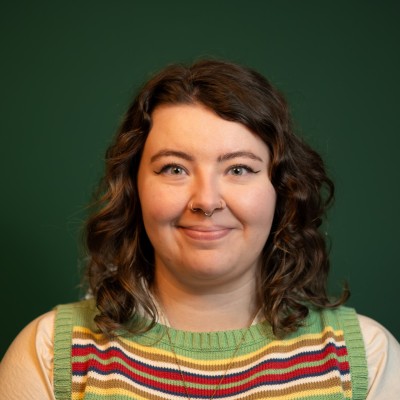
Ellie Bailey was diagnosed with ADHD in the last few years, with autistic traits also identified along the way. Many of these ADHD traits became more apparent in the recent years due to Ellie going through premature menopause which can affect ADHD symptoms.
Like many adults, the diagnosis didn’t change who she was, but it did give her context and validation for experiences that had followed her since childhood.
School, exams and anxiety make more sense, so does the way she works now. Ellie describes freezing in exam environments, struggling with ambiguously worded questions, and feeling frustrated when she couldn’t show what she knew.
None of that was a lack of ability, it was a mismatch in the way she was being assessed.
The diagnosis process itself was daunting, but also unexpectedly illuminating.
Reflecting on her own behaviours, talking with family, and hearing childhood experiences retold through a different lens helped her understand that these traits weren’t quirks or failures, they were simply part of her wiring.
Importantly, Ellie is careful about how she talks about neurodiversity. She doesn’t see ADHD as a ‘superpower’, and she’s wary of that framing.
For her, it’s a difference. One that shows up uniquely, depending on the person and the environment. There are strengths, there are challenges, and she believes neither need to be exaggerated.
In her working life, the awareness has been transformative. Ellie has learned to recognise patterns in how she concentrates, how she manages energy, and how anxiety can spiral when left unchecked.
She’s also learned that self-awareness cuts both ways. Being highly aware of her own feelings can fuel anxiety, but it also allows for growth and better decision-making.
One area where this understanding really shaped her approach was management. As a team leader, Ellie made a point of not assuming that one size fits all.
She asked people how they preferred to communicate. She explained context rather than dropping the “have you got five minutes?” messages that create unnecessary stress.
These weren’t strategies pulled from a handbook. They came from her abundance of empathy, experiences she could draw from over the years and an understanding of how small things can have an outsized impact.
That same empathy, Ellie acknowledges, can be draining. Being attuned to others’ emotions means carrying weight that isn’t always visible. Over time, she learned that caring doesn’t have to mean absorbing everything.
Some things can be shared, some things just can’t be fixed and not all responsibility sits on one pair of shoulders.
Paraplanning, perhaps more than many roles in financial planning, can be a good fit for neurodivergent professionals when the environment allows for flexibility.
The problem-solving, the structure, the ability to hyperfocus, and the satisfaction of detail all play to strengths Ellie recognises in herself.
But she’s equally clear that without boundaries, those same traits can tip into burnout – something she has experienced herself and has spoken about in another article with Professional Paraplanner.
Ellie says that normalising neurodiversity in paraplanning isn’t about labels or disclosure. It’s about recognising that people work differently, learn differently and manage pressure differently.
Ellie’s experience shows how powerful it can be when individuals are supported to find systems that work for them rather than being forced into prescribed templates.
Also more importantly being given the space to find what works for them, and acquainting themselves with who they naturally and organically are, rather than who they could be trying to be.
Her recent move into outsourced work is, in many ways, an extension of that philosophy.
It gives her space to design workflows around how her brain works, to adapt when something stops serving her, and to build partnerships based on mutual understanding rather than rigid expectations.
Ellie doesn’t position neurodiversity as something to overcome. Instead, she acknowledges its presence and its influence and leans in to how it’s quietly woven into how she works, how she leads, and how she cares.
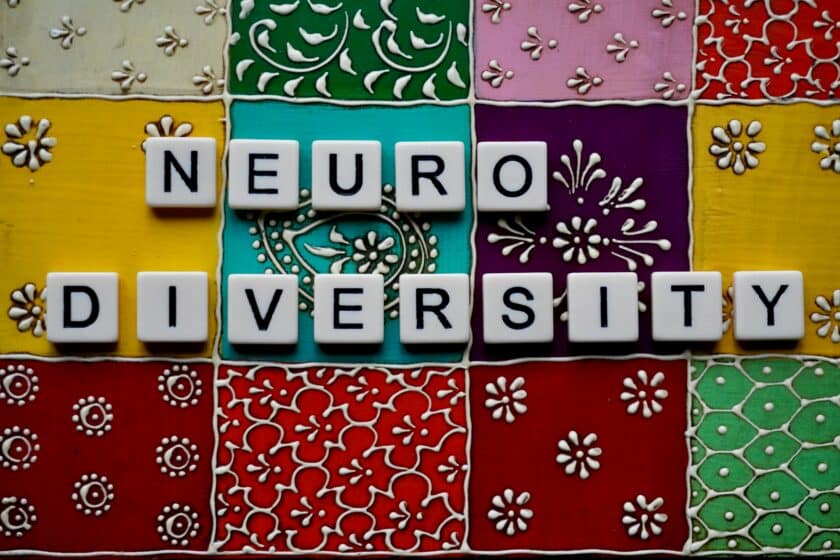
Main image: neurodiversity, peter-burdon-kOWGmtlf5JA-unsplash