





















There are some people in financial planning who do not shout the loudest, chase the spotlight, or care much for titles, but you know from talking to them that they genuinely make a difference. Alex Freeman is one of those people.
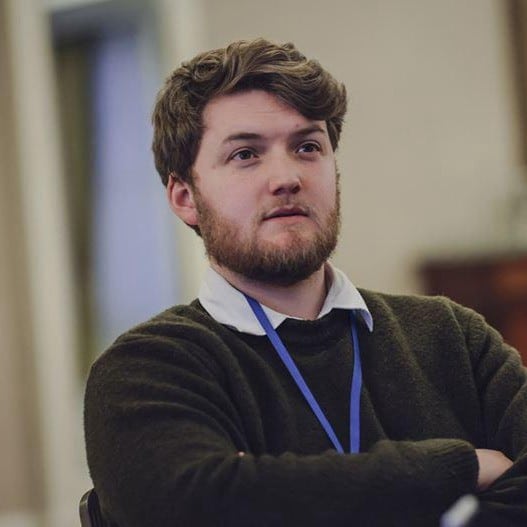
As is the case with so many paraplanners, Alex’s career hasn’t followed a particularly neat line, and with Alex, that’s very much the point.
He started out in large, highly structured environments where efficiency mattered and volume was important, helping support as many clients as possible.
Those years gave Alex a strong technical foundation, a disciplined process and an early education in how bigger firms work behind the scenes.
It was also where he learned how you can become a “go-to” person without being given a formal label that suggests leadership.
As his experience deepened, Alex gravitated towards something more relational in smaller firms. Here, there were closer relationships with advisers and wider teams, and for Alex, a seat in the room rather than a desk upstairs.
Working one-to-one with advisers, he became part of the advice process itself. He helped shape recommendations, he sense-checked decisions, and translated complex planning into something clients could genuinely understand.
That jump from production-focused paraplanning to fully embedded planning work was formative. It challenged him, occasionally unnerved him, but perhaps most importantly for Alex, it was confirmation that this was where he did his best thinking.
Today, Alex sits at an intersection of paraplanning, operations, and leadership.
He leads a paraplanning team without much appetite for traditional hierarchies. You won’t hear him talk about supervising people or monitoring output.
His approach is more collaborative, more human. Ideas are discussed openly and responsibility flows both ways. Trust isn’t an abstract value, it’s baked into how the team functions day to day.
His management style has been shaped as much by what he doesn’t want to be as by what he admires.
Having seen the anxiety that can grow in tightly controlled environments, Alex is deliberate about creating space where people ask questions, admit uncertainty, and thrive through learning together.
The result? A team that feels supported without being smothered and are productive without being pressured.
Alex’s curiosity doesn’t stop at people. He has a strong operational brain and a genuine interest in technology when it solves real problems rather than creating new ones.
Automating meeting notes, improving onboarding journeys, rebuilding report templates, and introducing smarter use of AI aren’t about chasing trends for him, or about keeping up.
They’re about giving paraplanners time back, protecting standards, and making advice more robust for clients.
What stands out most though, is what motivates him. Strip away systems and job titles and it always comes back to outcomes. Whether it’s helping a client finally feel confident enough to enjoy their money, or making sure a paraplanner feels safe enough to say, “I’m not sure”, Alex’s career has been driven by care more than ambition.
He’s proud of the path he’s taken, but not sentimental about it. Each role taught him something useful, even when it wasn’t the right long-term fit.
And that willingness to reflect, adapt if he needs to, feels like the thing that runs through everything he does.
Main image: realfish-ELzqHBrnXnI-unsplash