























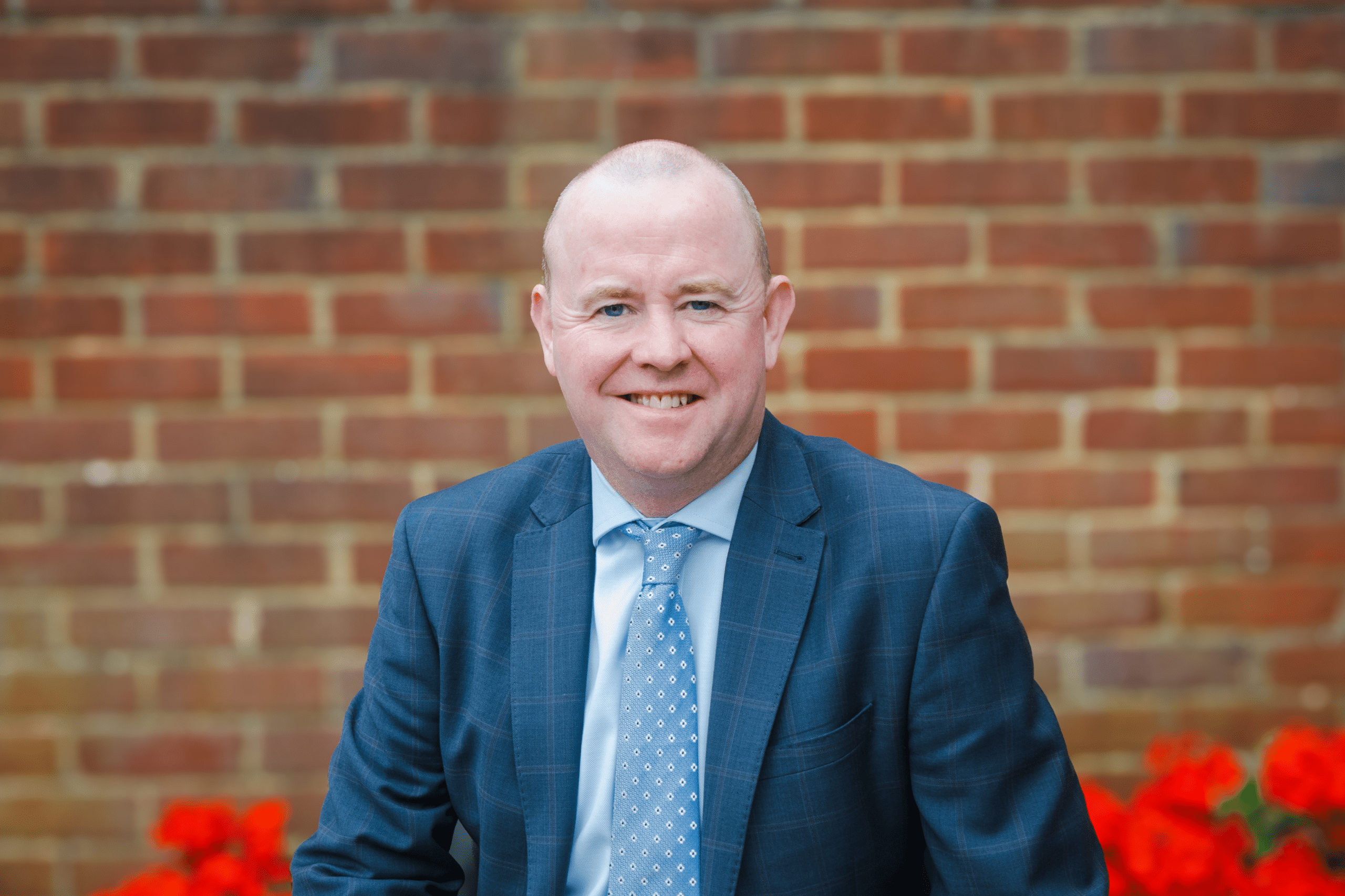
Who is your water carrier of football? And when it comes to investing, which funds do you put in the same league? Darius McDermott, Managing Director of FundCalibre shares both his football and investing insights.
Next month marks the start of the biggest FIFA World Cup in history, as 48 teams battle across 104 matches for football’s ultimate prize.
Held across the United States, Canada and Mexico, the tournament will generate plenty of headlines about football’s global superstars – the likes of Cristiano Ronaldo, Lionel Messi (if he decides to go!), Kylian Mbappé and England captain Harry Kane.
The superstars might grab the headlines but the actual World Cup winners typically also have the best “water carrier”. These are the players who do the hard, unglamorous work: winning the ball, covering space, pressing, tackling and feeding more creative teammates.
Famous examples include Nobby Stiles for England’s sole triumph in 1966, Didier Deschamps for France in 1998, Gilberto Silva for Brazil in 2002, and more recently Rodrigo De Paul for Argentina in 2022.
As a Chelsea fan, N’Golo Kanté stands out for me in this role at both club and international level. He often seemed to do the work of two players, allowing the superstars around him to thrive. These players are an essential ingredient for success.
I’d argue the same is true in investing. For every exciting theme or high-growth story like AI, you also need a counterbalance – particularly during more challenging market conditions.
Which brings me to listed infrastructure – an asset class designed to be predictable, regulated and everlasting. Demand for infrastructure across energy and power, digital networks, healthcare and essential services is not only persistent but accelerating.
Importantly, this demand is increasingly being met with regulatory support, long-dated frameworks and clearer pathways to return on capital. It does not have the pizzazz of the likes of AI, emerging markets or even smaller companies because utilities, bridges, airports and toll roads are fairly boring in comparison.
This week’s fund seeks to expand on the growing infrastructure universe as it searches for a balance of growth and income from three key areas of the sector: economic (65-75% of the portfolio including utilities, energy and transport); social (currently 7% including health, education and civic); and ‘evolving’ (15-25% including comms, logistics and royalty) infrastructure.
While many of its peers build portfolios dominated by the likes of utilities, energy and transport, M&G Global Listed Infrastructure seeks greater diversification by investing in areas like royalties, REITs, digitisation and exchanges.
Managed by Alex Araujo, the fund targets companies with critical physical infrastructure, long-term concessions or perpetual royalties.
They will also need to be paying some level of dividend and have a market cap of over $1 billion. Valuations also play a key role as does ESG and responsible stewardship.
Diversification from crowded AI trade
A bit like Kanté on the pitch, I always think infrastructure comes into its own when things are challenging. It was an excellent alternative income solution during the post GFC-era of low interest rates.
Today it is starting to look more attractive as inflation looks set to spike, while there are also concerns about being overly exposed to AI. Research from UBS shows there has been a rapid rotation towards real assets in the past nine months amid the growing uncertainty*.
“We are at the back end of AI – infrastructure provides the power, servicing and cabling in behind. We don’t get the sexy growth, but we don’t get the volatility in earnings either,” says Johnny Hughes, head of equities and multi-asset specialist at M&G.
To be clear – infrastructure is an asset class that does grow, which is critical otherwise you are effectively holding a yield-centric bond that is dependent on interest rates.
That structural growth is bolstered by income growth that compounds on itself – mitigating the threat of inflation.
The pricing power also comes through many of the monopolies within the asset class – no one is going to build an airport near Heathrow, therefore Heathrow has pricing power.
Hughes says they like to describe the fund as “the insurance policy that pays a premium”. He says: “Normally you have to go out and pay for insurance.
We are saying to you that this is going to look after you when markets are rocky and when the bad stuff happens. Even when that is not happening you are collecting a 3.5-4% yield.”
Hughes says much has been made of the headwinds facing AI, but he believes there are a number of factors coming into favour for global listed infrastructure, citing rising geopolitical instability (deglobalisation), increasing fiscal spends from governments and, notably, the release of the German debt break.
A headwind that could soon become a tailwind
The fund has an investible universe of between 220-250 companies, with a final list of 40-50 names. The broader construction of the portfolio has actually been a bit of a headwind to performance in recent years, given the dominance of utilities (the fund holds 32% vs. 50% for most related indices)*.
Hughes acknowledges that being overweight utilities has been the play in recent times – but adds that they will fall out of favour at some point and are already getting expensive. He also points to improving performance YTD*.
By contrast, they have exposure to names like Franco Nevada, the gold and copper royalty owner*. It is a big differentiator in that they have rights to land in the US and Canada and invite companies to mine on the land, taking a portion of royalties from them.
Hughes says: “It is a brilliant business as they take no cost risks for digging. There is no volatility on price because the contract is negotiated up front.”
Hughes says they have been finding opportunities in utilities, transport and energy in the past few years. Conversely, they’ve had to throw the towel in on some infrastructure names that have been defensive proxies for a decent period of time.
He cites the likes of Unite Group – a student housing business which overbuilt on expectations of student growth. Others include digital communications business Crown Castle and Alexander Real Estate.
Most new holdings fall into the economic bucket. They have also been looking to bolster emerging markets exposure in general with names like Power Grid Corp. Of India, Singapore Exchange and Cheniere Energy all joining the portfolio.
Hughes says diversification of listed infrastructure is crucial to the process – there have been headwinds in recent years – but a gross annual return of over 9% since launch, coupled with a dividend yield of between 3.5-4%, is more than acceptable for a diversifier that comes into its own in challenging periods*.
Take 2022 as an example, when the fund returned 4.2% in a tough year for equities**.
We think investors should consider this fund as a valid alternative in their portfolio. It has shown an ability to meet the challenges of inflation, while also offering diversification to some of the main trades in markets today.
The modern infrastructure investments – such as payment companies and data centres – also differentiate the fund against its peers.
*Source: M&G, May 2026
**Source: M&G, gross returns in pounds sterling
Past performance is not a reliable guide to future returns. You may not get back the amount originally invested, and tax rules can change over time. Darius’s views are his own and do not constitute financial advice.