













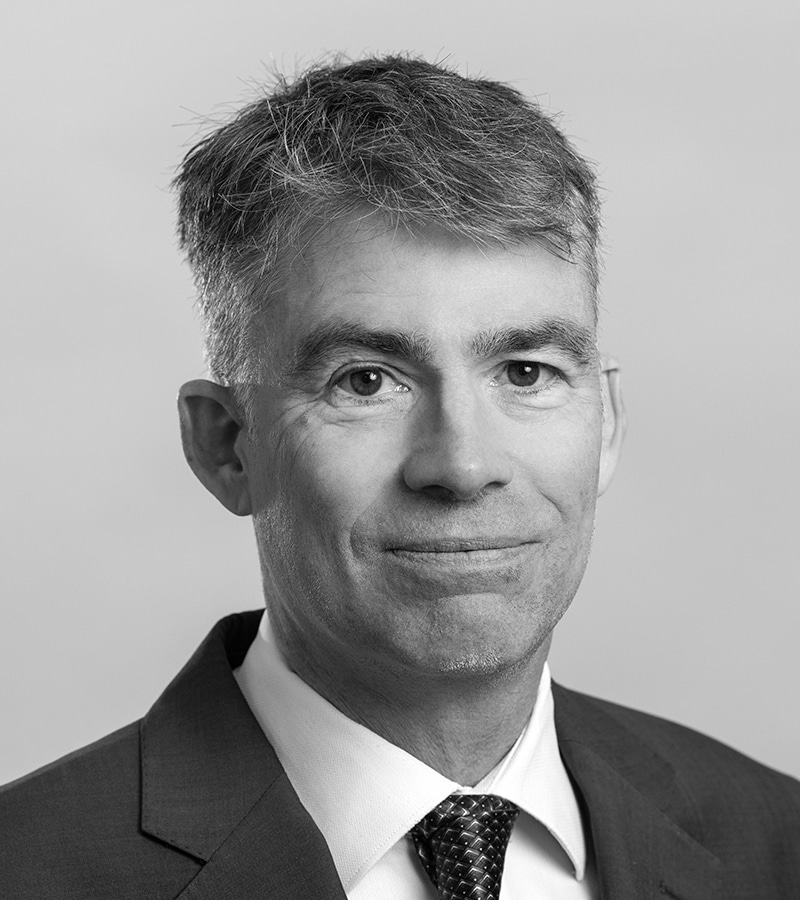
In a volatile and often unpredictable market, finding reliable returns is becoming increasingly challenging. In Fund Calibre’s latest podcast episode, they explore a defensive, multi-asset approach with SVS RM Defensive Capital Manager Dr Niall O’Connor. This fund looks beyond traditional equities and bonds, focusing instead on overlooked, under-researched opportunities.
From high-yield bonds and discounted investment trusts to commodities and frontier markets, the interview highlights how diversification is evolving.
It also examines why traditional hedges may no longer behave as expected, the risks posed by inflation, and where genuine opportunities still exist.
With a strong emphasis on valuation discipline and identifying neglected assets, this episode offers a fresh perspective on building resilience in today’s investment landscape.
Why you should listen to the interview: If you’re questioning whether traditional diversification still works, this interview offers a refreshing perspective. It dives into overlooked assets, challenges conventional thinking and highlights where real opportunities may lie in today’s markets. A must-listen for anyone looking to protect capital while still finding growth in uncertain conditions.
This interview was recorded on 28 April 2026. Please note, answers are edited and condensed for clarity. To gain a fuller understanding and clearer context, please listen to the full interview.
Interview highlights:
Volatility not without opportunity
“This year has been a very tricky market to navigate. We’ve had huge amounts of volatility, especially more in the bond space than the equity space.
“There’s been a huge amount of noise, mainly coming out of the White House, and we’ve seen big up-and-down swings, even intraday.
“But interestingly, from a fund management perspective, there have been relatively few real dislocations. You’ve not really seen any obvious buying or selling opportunities, other than maybe going against what Trump says.
“It’s an interesting time to run a fund because you can see people are beginning to get tired of it. Very often we see corporate news being published which isn’t being properly priced in.
“So it is giving us some interesting trading opportunities — if you stay focused on stocks rather than looking at the big macro picture.”
Making money from discounts
“The capital growth part of the portfolio is the more equity-like exposure within the fund, and the idea here is to try and capture more of the upside.
“What we’re trying to do is buy exposure at a big discount. You might think private equity and biotech are strange holdings within a defensive capital fund, but what we’re doing is buying mostly investment trusts, very often at very large discounts. The defensiveness comes through the valuation.
“For example, in biotech, we had RTW, and we were buying it at about a 35% discount. That closed pretty close to NAV.
“If you’re buying something at 65 and selling it at 100, you can make nearly a 50% return, even if the underlying doesn’t move. We like buying things when everyone hates them.”
Rethinking diversification
“Gold traditionally has been a risk-off asset, and yet it has sold off in times of risk. I also wonder whether, in future, the US dollar will work as a hedge, or whether bonds will even work as a hedge in the case of a recession.
“The US market has got quite expensive. If we had a downturn, people might actually take money out of the US and look to cheaper markets, which could weaken the dollar.
“In bonds, the issue is the US is running around a 7% fiscal deficit, with debt to GDP projected to go up to 140%. In a recession, that deficit would likely get bigger, forcing more bond issuance.
“So we have to be very careful about traditional hedges and whether they will actually work going forward.”
The opportunity in neglected markets
“There are still plenty of things that are over-discounted. You can still buy assets on 40% discounts, which in this market doesn’t feel quite right. We’re also looking at frontier markets.
“The UK has huge fiscal constraints, and the US has very high valuations. The US economy is very concentrated, heavily supported by AI capital expenditure. When that cycle turns, it may not look very good.
“In contrast, frontier markets like Georgia, Uzbekistan, Romania, and Vietnam have very low debt to GDP, 8% plus GDP growth, business-friendly governments, and low valuations.
“As people rotate out of the US and UK, these frontier market opportunities could become very interesting.”
Conclusion: In a market shaped by uncertainty, shifting correlations and persistent inflation risks, this conversation reinforces the importance of thinking differently.
By focusing on unloved, under-researched assets and maintaining discipline around valuations, investors may uncover opportunities others overlook.
Past performance is not a reliable guide to future returns. You may not get back the amount originally invested, and tax rules can change over time. The writer’s views are their own and do not constitute financial advice.
This information should not be relied upon by retail clients or investment professionals. Reference to any particular investment does not constitute a recommendation to buy or sell the investment.
Main image: background, light, bruno-nascimento-9XTyIiFceKM-unsplash