





















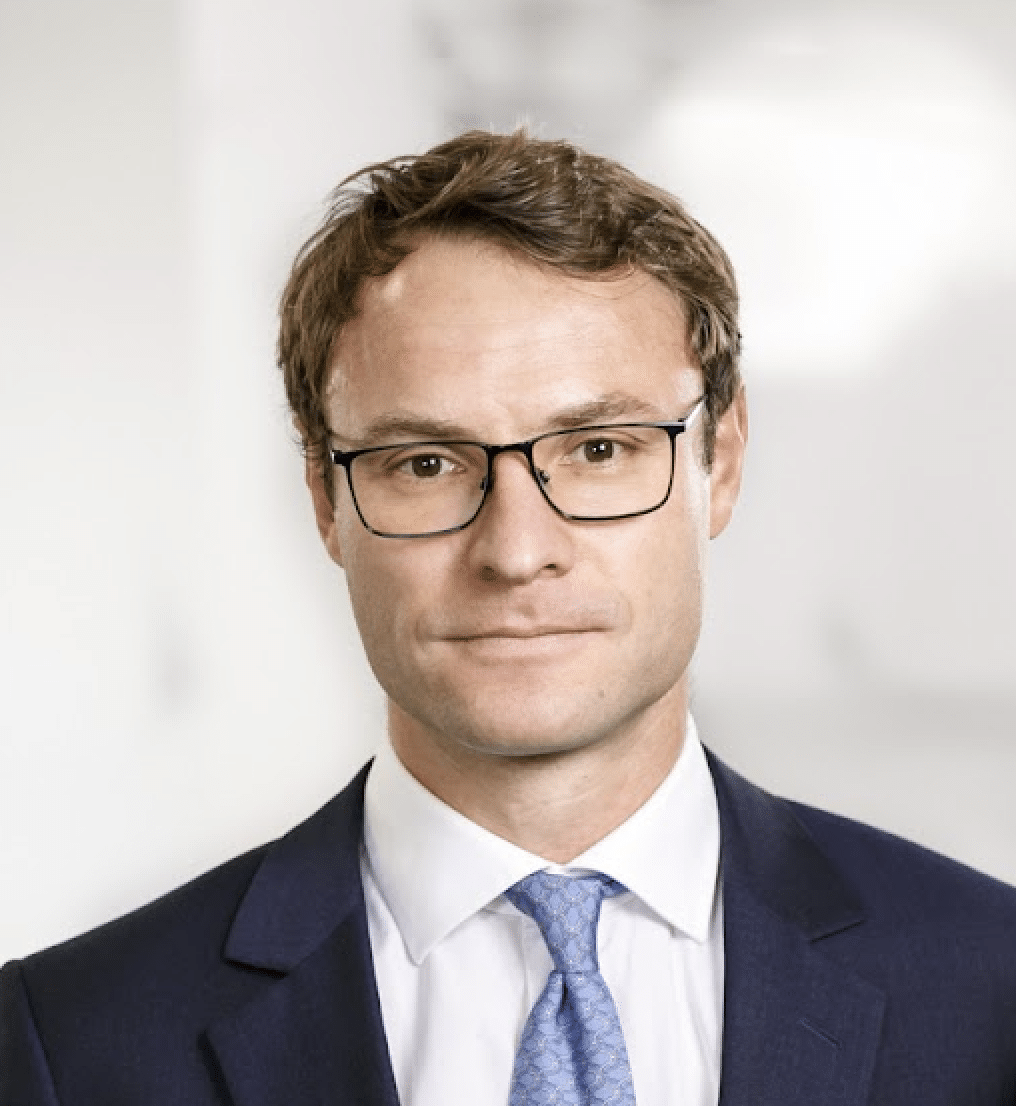
Ben Leyland, Senior Fund Manager of Global Opportunities at J O Hambro, considers where the biggest opportunities and risks are for investors when considering Europe and its economic/ geopolitical position as we head into 2026.
Europe’s great challenge, but also its great opportunity, lies in rebuilding self-sufficiency after a long period of being over-reliant on external demand.
The export-dependent post-Financial Crisis economic model is now under threat from US tariffs, Chinese competition, and Russian aggression.
In this context, the post-election pivot in Germany earlier this year, away from the debt brake and towards government-led stimulus focused on infrastructure and defence, is a critical development.
While investor interest in Europe surged in Q1 with the German election and announcements around debt brake and fiscal stimulus, this then got swamped by Liberation Day in early April. Since then, the EU stimulus story has been rather forgotten about, with Europe lagging the US and EM (China) by some distance, partly because it has much less exposure to AI plays. The hoped-for earnings growth acceleration at European companies has yet to materialise and Euro strength has been an additional headwind.
However, we expect to see renewed interest in Europe in 2026 as stimulus-related orders start to come through and drive growth in company earnings and GDP, especially in relation to Germany’s strong financial position, with a ratio of government debt to GDP less than 60% and one of the few remaining triple-A sovereign credit ratings.
This should start to drive growth in orders, revenues, profits and cash flows for a wide range of beneficiaries in sectors like materials and industrials from 2026 onwards. This long-overdue investment in real world infrastructure will be even more powerful if it can be the catalyst for the mobilisation of private sector savings, through initiatives such as the EU Savings and Investment Union.
The first mover is government spending, with corporate investment and consumer confidence potential medium-term secondary drivers, which will dictate the size of the multiplier effect of fiscal stimulus and the extent to which this can become an economy/market-wide upswing as opposed to just being focused on a few real world infrastructure-related sectors.
It was encouraging to see private sector initiatives such as “Made for Germany” package announced in July. The S&I Union is another initiative which has the potential to have quite transformational effects and reverse the longstanding flow of capital and excess savings from Europe to the US. But we would put this in the ‘possible’ rather than ‘probable’ category for now.
On another positive note, we would also highlight the underappreciated health of the Spanish economy, where private sector balance sheets have de-levered significantly since 2012 and loan growth is inflecting upwards and nominal GDP growth is nearly 6%.
The biggest risk to this thesis is political, with the rise of alternative and extreme political parties in almost all countries, tension between Brussels and member states, and divergent interests between member states themselves. Electoral cycles will remain important as will the interplay between politicians and regulators at all levels.
Selectivity is essential and that applies even more to inherently more cyclical and volatile sectors like industrials and materials, which are likely to be the main beneficiaries of fiscal stimulus and infrastructure spending. Of course the broader the upswing and the stronger the multiplier effects, the less selective investors will have to be, at least in the short term.
Finally, we think global equity markets are overly concentrated on the AI thematic and this carries significant risk. Investors need to think very carefully about portfolio diversification; the good news is that this no longer has to be purely defensive, because Europe is offering a positive narrative of accelerating growth and complementary returns.
Main image: christian-lue-7dEyTJ7-8os-unsplash