
















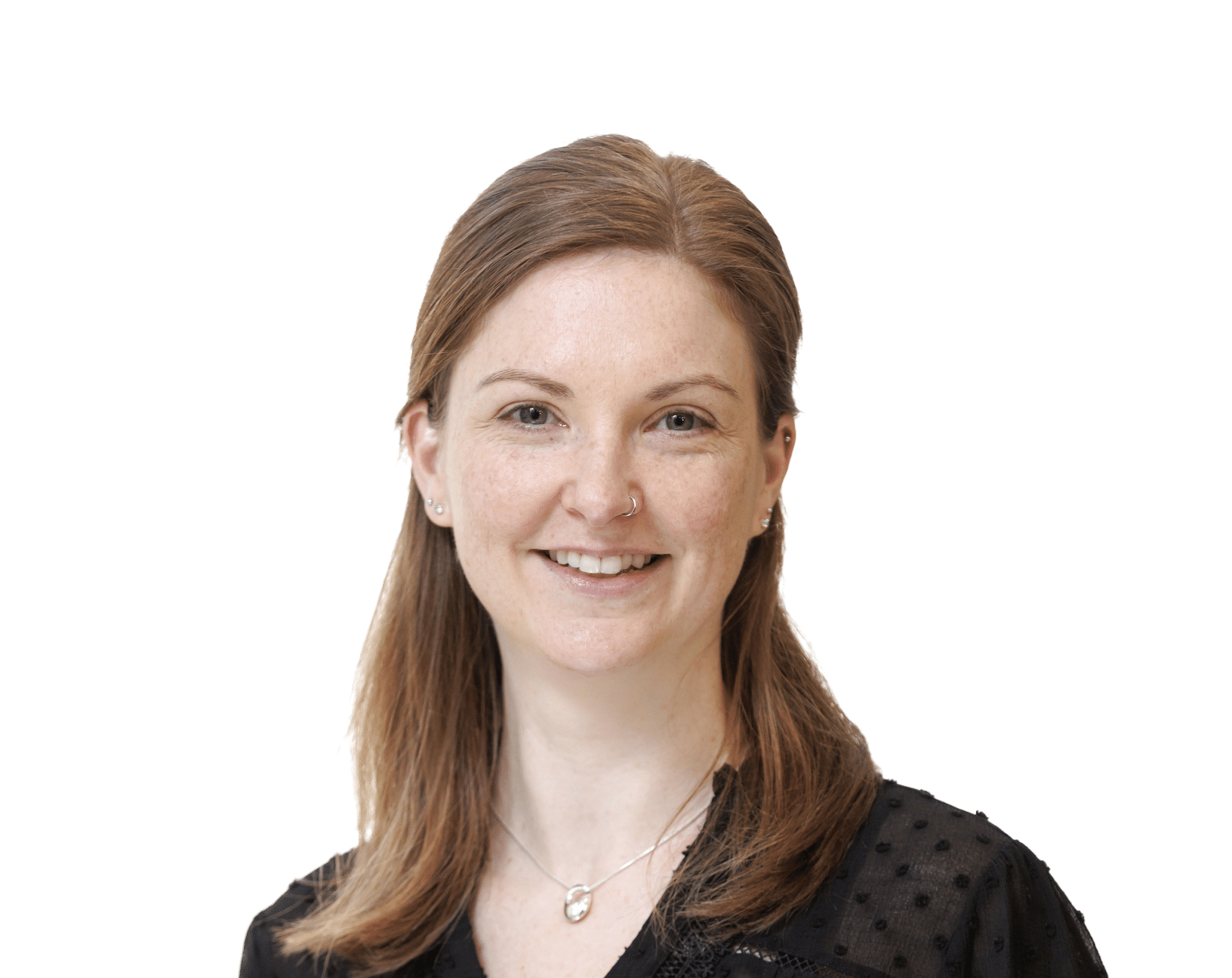
Laura Royle, paraplanner with Rathbones Financial Planning and PFS Paraplanner Panel member reflects on the PFS’s recent paraplanner conference.
On 8 June in London, the PFS held the annual Purely Paraplanning conference. I attended as a member of the PFS Paraplanner Panel, alongside my colleagues. I’d really been looking forward to the event since we had contributed to curating the content. It was also a fantastic opportunity to meet both my panel colleagues (many of them in person for the first time) and numerous other paraplanners during the networking sessions.
The agenda was packed with 12 speakers and two panel sessions, covering a diverse range of topics. We explored soft skills such as adapting to change, realizing potential, career development, and effective communication. Technical sessions covered business relief, behavioural finance, sustainable finance, trusts, consumer duty, and SDR. Additionally, we examined the gender pension gap, working with neurodiversity (both colleagues and clients), and the use of AI in financial planning. The compliance and paraplanner panels provided valuable insights as well.
I wanted to share some of the key takeaways that felt particularly valuable for me, hoping they might be useful to others as well.
Personal development was an area that particularly resonated for me, especially considerations around addressing mindset and taking action towards goals. Revisiting James Clear’s book “Atomic Habits” for a deeper dive into habit formation is now on my to-do list thanks to a suggestion from Tony Fields.
Sam Patterson introduced us to the PIE theory of career progress, a concept new to me but since discussed in our recent lab session with Claire Shepherd of Empower Development. The PIE theory breaks down career development into Performance, Image, and Exposure. Harvey Coleman, who coined this theory, states that Performance (how you do your day job) accounts for just 10% of career progression, while Image (how others perceive you) makes up 30%, and Exposure (who knows you and how you showcase your abilities) constitutes a significant 60%. This theory is worth exploring, especially where some inspiration may be needed for mid-year review conversations around now!
Amira Norris provided excellent advice on resilience and adapting to change, highlighting the importance of embracing technology as one key step. Following her talk, Rohit Vaish’s session on AI was particularly enlightening. As a bit of a technophobe, I had previously been a little resistant in engaging with AI, but I now feel motivated to understand how AI can realistically be integrated into financial planning, as well as being mindful of other relevant technologies such as VR.
Building your network was another key step, and I’ve been looking into more opportunities to attend networking events.
The event renewed my resolve to once again look for greater involvement in sustainable finance and also starkly highlighted the pressing issue of the gender pension gap. I plan to further educate myself in sustainable finance, potentially through additional courses (once current studies are completed) as well as continuing to read up on the gender pension gap and look for opportunities to help address this.
The compliance panel offered thought-provoking discussions on cashflow assumptions and the retirement income review. There’s a follow-up article from this panel session in the latest Personal Finance Professional magazine, which I recommend reading.
We were also proud to release the Suitability Report Writing Guide at the event. This is a PFS best practice guide produced by the PFS Paraplanner Panel, offering paraplanners comprehensive guidance covering all areas of suitability report writing. It was lovely to see this in print – really happy with how it turned out and the PFS tell me it went like hot cakes on the day! Hopefully this will be a helpful resource.
Overall, I found the day to be highly worthwhile, and it was encouraging to hear that other attendees felt the same.
The diverse range of topics covered highlighted the dynamic nature of our profession, and the focus on personal development and embracing technology stood out as key themes. I look forward to applying these learnings in my role and continuing the conversation within our community. Feedback from this year’s event will be instrumental in shaping future conferences, ensuring they remain relevant and impactful for all attendees, so please do get in touch with any comments you would like to share.