























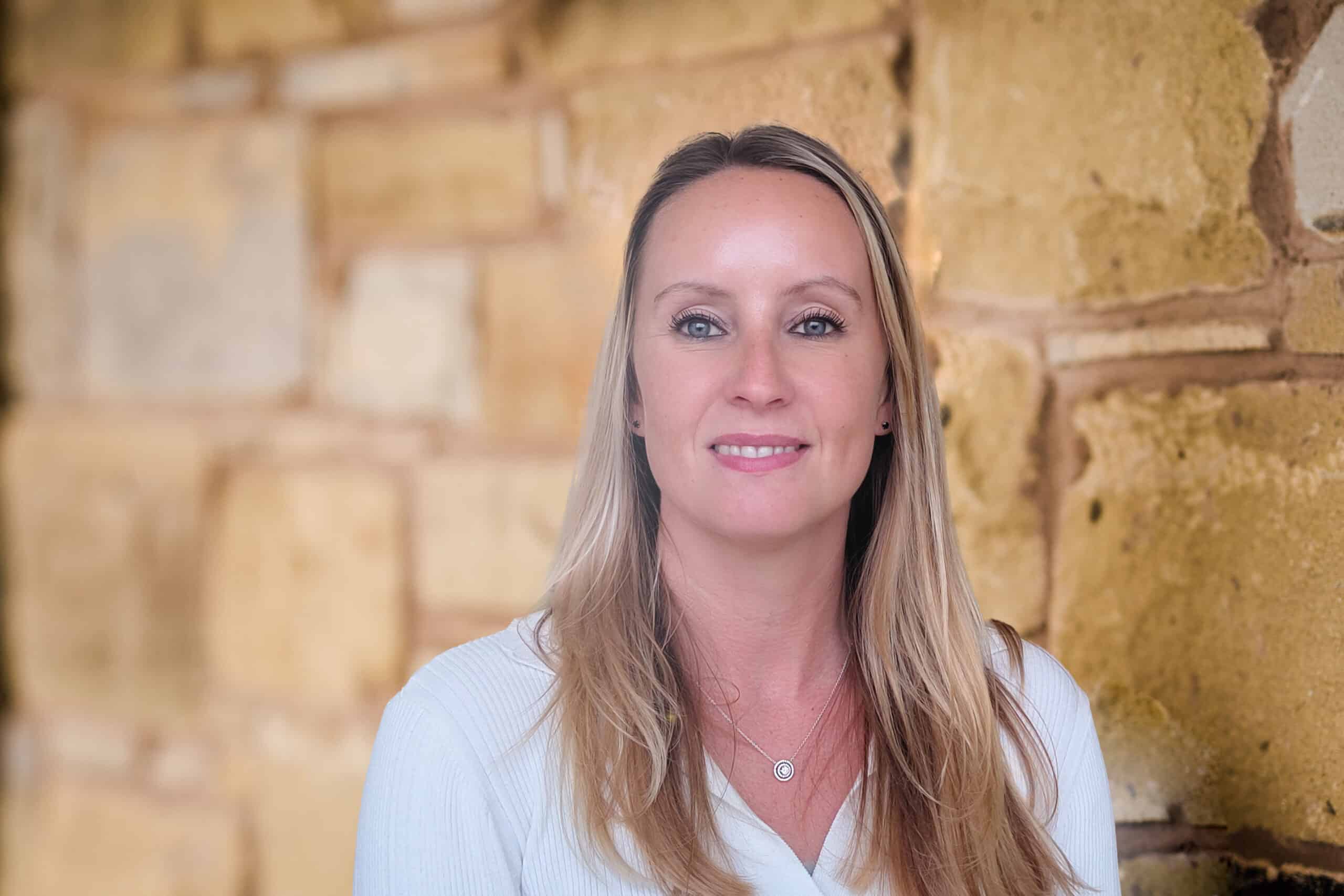
Cara Robinson, Training & Competency Supervisor at Truly Independent, says there is a very real need for the financial advice firms to address the issue of succession and empowering the next generation of advisers if financial advice is to not only list but develop as a profession.
By its very nature, diversity takes many forms. One that’s becoming increasingly important to the future of financial advice is generational diversity, which our industry continues to lack to an alarming degree.
Last year it was reported that only 5% of the advisers authorised to provide retail advice in the UK were aged between 25 and 29. By any standard, this is a shockingly low figure.
According to Financial Conduct Authority (FCA) data, the number of advisers aged below 25 in early 2024 had plummeted by 59% over the preceding 18 months. Meanwhile, the number aged over 60 had gone up by 29% during the same period.
It’s difficult to imagine a less healthy trajectory. The fundamental takeaway is that older advisers are continuing to retire in droves, with precious few younger counterparts ready to replace them.
What’s the likely endgame here? The strictly logical extrapolation is that these demographic forces will one day lead us to a point at which the adviser community ceases to exist.
Granted, this prospect remains highly improbable – or at least pretty distant. Something will change eventually, right?
Maybe. But we need to realise that the adviser community itself is by far the likeliest source of a positive turnaround and that expecting others to ride to our collective rescue will get us nowhere.
So what can we do? One area in which there’s considerable scope for improvement is succession – a subject to which many advisers appear to give remarkably scant thought.
The importance of planning
There’s an awful irony in advisers spending so much time thinking about other people’s retirement and so little thinking about their own. Reframing this issue is vital to enhancing generational diversity – and, by extension, to helping close the advice gap.
Ideally, succession in our industry means passing on a thriving business in an efficient and near-seamless way. By ensuring continuity, crucially, this should engender clients’ confidence.
In many instances, though, nothing of the sort occurs. As the FCA has observed, it’s too often the case that advisers retire, pull the shutters down for the last time, trundle off into the sunset and leave their clients in limbo[1].
This needn’t – and shouldn’t – happen. There’s no excuse for it, especially when we’re desperate for an influx of younger advisers to keep serving the clients of today and accommodate the clients of tomorrow and beyond.
What’s required, as we all ought to know only too well, is a bit of planning. Advisers have to practise what they preach, bringing to their own lives the same foresight they encourage in the people who rely on their guidance.
Some sort of succession plan needs to be in place from day one. It doesn’t have to be set in stone, but it should provide an idea of the way ahead and the milestones that will lead to the handover of a business.
By the time retirement is imminent – say, when it’s five or six years away – nothing should be left to chance. And when the big day finally dawns, all being well, the passing of the torch should be so smooth that clients will barely notice.
Truly has its own preferred approach to succession. We pair a retiring adviser with a suitably qualified successor, using a two-stage acquisition process that aims to benefit all concerned – clients included.
Masters of our own destiny
Promoting generational diversity is one of the key objectives of our Truly Empowered initiative. We’re acutely aware that younger advisers – like younger clients – are woefully under-represented in the wider world of financial advice.
We’ve been making efforts to address this imbalance for some time now. We recognise the urgent need to build a new pipeline of talent, which is why we’ve taken on numerous apprentices in recent years.
When identifying and developing the advisers of the future, in our experience, it’s not enough merely to choose the most promising candidates. It’s essential to give them the space they need in order to show what they do best.
In tandem, they have to fully grasp the enormous role financial advice can play in making a positive difference to other people’s lives. This is a fact that seems to rarely get mentioned when potential careers are being discussed.
None of this is to say we see ourselves as sensational trailblazers. We know there’s still a lot we have to achieve. The point is simply that we’re trying to do something – and we’re keen to do more.
To reiterate: these are challenges we have to overcome ourselves. The solutions to longstanding problems such as lack of diversity and the advice gap must come from us.
Yes, we might get assistance from elsewhere. Regulators might just nudge us in the right direction, for example. But anybody who believes someone else will miraculously right every wrong for us is either complacent or deluded – or both.
Ultimately, as advisers, we have to shape our own destiny. Greater empowerment should be acknowledged as central to that goal – and to the myriad superior outcomes that could flow from it.
[1] See, for example, Financial Conduct Authority: “FCA’s expectations for financial advisers and investment intermediaries”, October 7 2024.
Main image: joel-jasmin-forestbird-xzPMUMDDsfk-unsplash