






















UK economic growth slowed by more than expected in February, driven by supply chain disruption and a drop in production.
Figures from the Office for National Statistics showed UK GDP grew by just 0.1% in February, down from 0.8% the previous month and below the 0.3% growth analysts had forecast, prompting growing concern around the spiralling cost of living.
The ONS said the services sector grew by 0.2% in line with expectations and was the main contributor to February’s growth in GDP, but was offset by production which fell by 0.6% and construction, which declined by 0.1%.
Manufacturing proved the largest driver of negative growth, falling by 0.4% over the course of the month as car producers continued to struggle with supply chain issues. The sector suffered a 5.4% contraction in the manufacture of transport equipment, 4.3% decline in the manufacture of computer, electronic and optical goods and 5% drop in the manufacture of chemicals and chemical products.
While GDP currently sits at 1.5% above pre-pandemic levels, commentators said the lower-than expected figure suggests the UK faces a difficult economic path over the coming months.
Danni Hewson, financial analyst at AJ Bell, said: “It was the month the UK was supposed to start ‘living with Covid’ but if February is an indication of what that life will look like, the UK economy is in trouble. There was growth but barely. A downbeat production sector means a greater reliance on services for growth and with the cost-of-living crisis only just really baring its teeth there is concern that this month’s anaemic growth might be as good as it gets for a while.
“The UK economy is fragile and inflation has grabbed hold like a fever and the weakness displayed does raise some serious concerns about how well it can cope with the medicine needed to counteract the symptoms.”
Derrick Dunne, CEO of You Asset Management, said of the latest figures: “With consumer confidence plummeting and inflation expected to rise once again, fears that the UK could enter a recession this year are rife. Whether or not this will become a reality remains to be seen but against this uncertain backdrop it would be prudent for investors to review their portfolio and consider where any adjustments may be needed to keep them on course to meet their long-term goals.”
Susannah Streeter, senior investment and markets analyst at Hargreaves Lansdown, said the UK economy was showing more signs of fragility than the US.
Streeter said: “The UK economy is already showing signs of fresh fragility in its latest health check which is far from surprising given that in February the world veered from one crisis to another. It’s little wonder the economy overall is showing signs of stalling from its remarkable pandemic recovery, given the sense of foreboding which arose from mid-February as troops amassed on the Ukraine border and then the commodity shock unleashed by the invasion hit sentiment.”
“Despite worries about consumer and company resilience this snapshot is unlikely to push the Bank of England off its path of rate hikes this year. Attempting to tame increasingly wild inflation is still set to be the priority. However, this reading does indicate the UK economy is showing more signs of fragility than the US.”
Positive news came in the form of tourism-related industries, with travel agencies and tour operators experiencing growth of 33.1% as Covid-restrictions eased. The accommodation sector, which accounts for hotels, grew by 23% during the month, marking the first positive month of growth since August.
However, Modupe Adegbembo, G7 economist at AXA Investment Managers, commented: “We expect growth to remain subdued into March as the headwinds from the Ukraine conflict are likely to have an impact.
“We expect growth to begin to slow materially as the real income squeeze impacts households; some measures point to the worst real income fall on record. It will also hit firms as they deal with rising costs. We have lowered our GDP forecasts to 3.8% for 2022 and 0.7% for 2023.”
Axa Investment Managers also expects the Bank of England’s May Monetary Policy Report to be worse than in February, forecasting a further interest rate hike in May and one more rise after that, most likely in June.
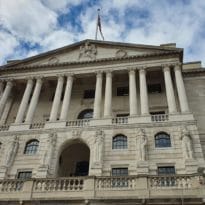
[Main image: frans-ruiter-x1Py2nXR-wc-unsplash]