






















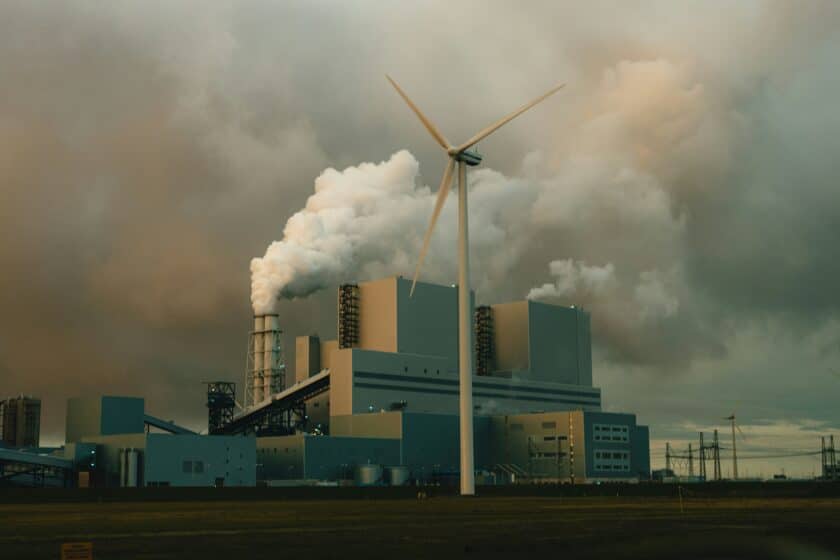
As power grids strain under the rapid expansion of wind and solar, and geopolitical events bring renewed focus on energy security, investors are turning to a wider range of technologies to drive the next critical phase of the global energy transition. Sean Maguire, Partner at Schroders Greencoat, sat down with Hillary Ripley, Head of Business Development, North America, Schroders Greencoat, to discuss the key themes shaping the next phase of the energy transition.
For years, investment in the global energy transition was largely synonymous with wind and solar.
But as power grids adapt to the rapid expansion of renewable generation, and geopolitical events bring renewed focus to domestic energy security, policymakers, developers and investors are focusing on a growing range of technologies and solutions.
Among other things, they discussed the key role that technologies such as battery storage, green hydrogen and biomethane are playing in decarbonising parts of the economy that have been stubbornly carbon dependent – and which, as such, are emerging as critical enablers of a more resilient, flexible and diversified energy system.
Importantly, they also shared what this evolution means for investors, and where the most attractive risk-adjusted opportunities are likely to emerge in the next phase of the energy transition.
Key takeaways include:
- The energy transition is broadening beyond wind and solar, with increasing investment focused on the technologies needed to integrate renewable power and decarbonise harder-to-abate sectors.
- Battery storage has become one of the fastest-growing segments of energy infrastructure, helping to balance increasingly volatile power systems while creating new sources of contracted and merchant revenue.
- Green hydrogen is moving beyond its previous hype cycles, with investors becoming more selective and focusing on industrial applications where electrification remains challenging.
- Biomethane is gaining momentum as a practical decarbonisation solution, leveraging existing gas infrastructure while supporting energy security and reducing dependence on imported fossil fuels.
- The next phase of the transition is likely to be defined by flexibility, grid resilience and cleaner fuels, creating a broader and more diversified opportunity set for infrastructure investors.
Click here to read the full interview.
This article first appeared in the June 2026 issue of Institutional Investing in Infrastructure (i3)
Main image: power plant, renewable, tim-van-der-kuip-ELbnYDoxido-unsplash