





















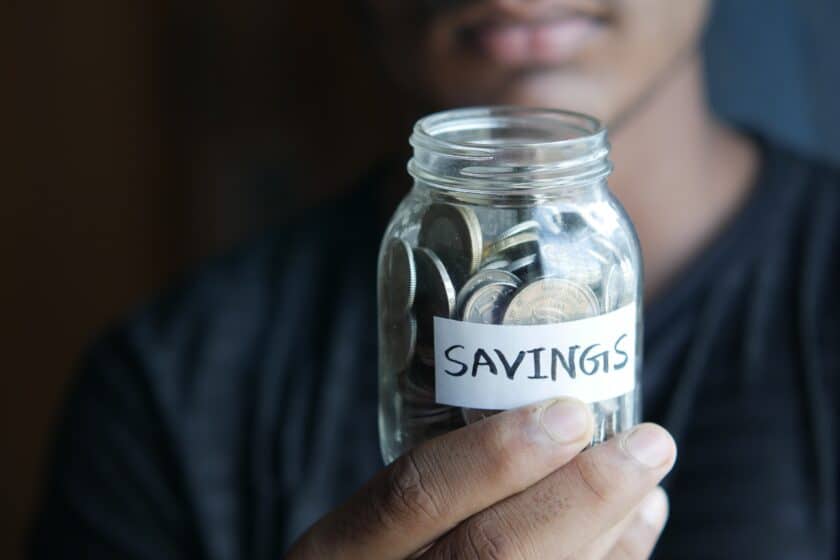
Savings laddering is growing in popularity among savers as they seek to lock in higher interest rates, new research from Investec Save suggests.
Laddering allows savers to split deposits across a range of fixed-rate accounts so they regularly mature. This enables savers to maximise the return on their money while maintaining regular access to their funds.
According to Investec Save, four in 10 (42%) adults hold multiple fixed-rate accounts with different maturity dates. Almost a quarter (23%) of those who adopt the strategy hold two fixed-rate savings accounts, while 12% hold three and 5% say they have four or five fixed-rate savings accounts.
Almost three-quarters (72%) of adults who spread their savings across different accounts said they did so to pick up the best rates on offer at the time.
Other benefits of adopting the savings laddering strategy include flexibility (39%) and enabling savers to make the most of higher interest rates while protecting them from falling interest rates (38%). A third (32%) also like the fact it provides a predictable income, while 20% say it enables them to meet their savings goals and save for specific items at certain times.
The most common maturity length for savers who are adopting a laddering strategy is a year, with nearly two thirds (65%) of adults with multiple fixed-rate savings accounts opting for one-year fixed-rate accounts. Meanwhile, a fifth (20%) have two-year accounts, 13% have 18-month accounts and 11% have three-year accounts.
David Hunt, head of savings at Investec, said: “By adopting a savings laddering strategy with your funds, whereby you split your savings into smaller pots and place these into multiple fixed-rate savings accounts all with different maturity dates, you benefit in many different ways. You ensure that you get the best interest rates on offer at the time but also maintain flexibility and regular access to your money when each pot matures.
“This is a clever strategy, particularly in a falling interest rate environment, where rates are unpredictable, but many don’t want to tie up their funds for too long should they need it.”
Main image: towfiqu-barbhuiya-0ITvgXAU5Oo-unsplash