




















The environment heading into 2026 is constructive for risk assets, according to Fidelity’s International’s 2026 investment outlook, ‘The Age of Alpha’. Salaman Ahmed global head of macro and strategic asset allocation comments on the global macro and multi asset outlook for the year ahead.

We enter 2026 amid a supportive macro environment. Growth should be resilient, and policy (both monetary and fiscal) is accommodative. Some of the concerns that plagued the past 12 months have receded – underlying inflation is still high but moderating, and the potential for a sharp, tariff-driven downturn has faded. Risks remain. Further deterioration in the labour market, an inflation uptick, US central bank independence, and the strength of AI capex and earnings cycles all demand vigilance. For now, they appear manageable.
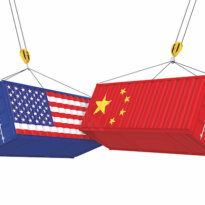
Yet the longer-term backdrop is more complex. Beyond the medium-term stability is a creeping global fragmentation, following years of progressive globalisation and debt accumulation. US President Donald Trump’s Liberation Day was itself a manifestation of these structural shifts and has since accelerated a global splintering into regional blocs.
Accompanying that fragmentation will be further intentional weakening of the US dollar. The value of the dollar is now a strategic policy tool, and as a result we expect its value to depress over the coming years, especially as debates around Fed independence intensify.
Building resilient portfolios
These macro changes will require investors to adopt new thinking around holding US dollar risk.
There will undoubtedly be more geopolitical volatility in 2026; gold should provide some protection in this environment. The euro is also looking more attractive, especially as the Fed comes under pressure to cut interest rates further than may be warranted. Fiscal easing and greater defence spending in Germany should support the euro.
These shifting dynamics will play out well beyond 2026. Looking to the long term, given the weight of US equities in global benchmarks, non-US investors will want to keep in mind whether their current hedge ratios will serve them in a world in which the dollar comes under increasing pressure, not least from US policy.
We also expect inflation to stay structurally higher, which implies higher equity-bond correlations. This supports the case for alternative sources of diversification, such as real assets, currencies, and absolute return strategies.
Where to add risk – emerging markets
Any depreciation of the dollar should be a boon to emerging markets. EM assets are one of our central convictions for 2026.
Equities in places like South Korea and South Africa are re-rating higher, with improving fundamentals and attractive valuations relative to the rest of the world. China looks compelling for 2026 too with its ongoing policy support creating specific opportunities – see our Asia outlook for more on this.
Likewise, EM local currency debt, particularly in Latin America, offers attractive real yields and steep curves.
AI surge to continue
The AI story is clear: the technology promises to improve productivity and raise corporate margins. It’s on this basis that the market is willing to sustain higher valuations across the AI chain.
Yet this chain runs far, and there are different ways to play the AI theme through 2026. We are looking to take advantage across all parts of the AI value chain, remaining invested in the hyperscalers and chip manufacturers, but also finding value among those underlying, cheaper beneficiaries that are just starting to catch up.
Positioning for the future
This generally constructive environment for risk comes amid a structural disruption that will likely affect asset allocation well beyond the next 12 months. Much has been upended in 2025 and investors need to be more attentive to where they take risk in 2026.
But this need not mean compromising on returns. The landscape has changed. We approach it risk-on, with a clear eye on market, macro, and geopolitical imbalances and their impact on portfolio design.
Important information
This material is for Investment Professionals only, and should not be relied upon by private investors.
Investment values (and income from investments) can go down as well as up, so you/the client may get back less than you/they invest.
Any investment views expressed may no longer be current.
Overseas investments will be affected by movements in currency exchange rates.
Investments in emerging markets can be more volatile than other more developed markets.
There is a risk that the issuers of bonds may not be able to repay the money they have borrowed or make interest payments. When interest rates rise, bonds may fall in value. Rising interest rates may cause the value of your investment to fall.
Main image: kyle-glenn-nXt5HtLmlgE-unsplash