






















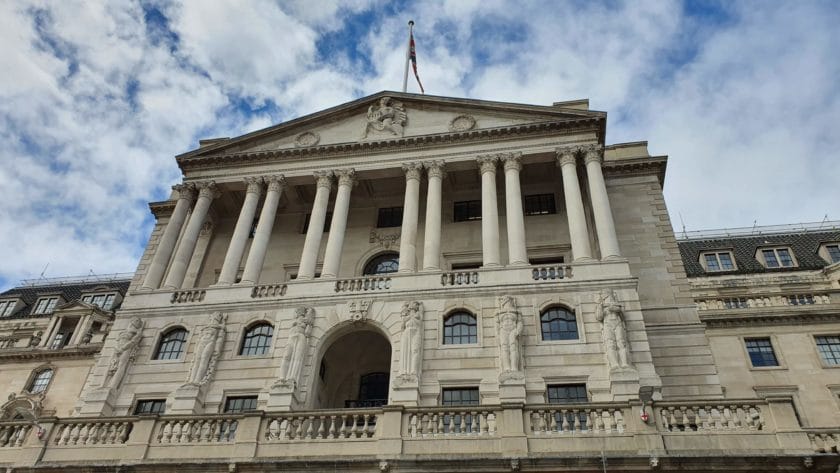
With the inflation rate coming in at 10.4% for the 12 months to February, higher than January’s figure of 10.1%, the Bank of England is left between a rock and a hard place as it – and other central banks around the world – look to tackle the issues arising from the banking sector.
The latest inflation rate is heading in the wrong direction for the Office for Budget Responsibilities expectation that it will fall to 2.9% by the end of the year, creating the need for an even steeper drop in inflation to meet that forecast.
The main drivers of inflation last month were price rises in restaurants and hotels, food and non-alcoholic beverages, and clothing and footwear divisions. These were partially offset by downward effects coming from recreation and culture, and from motor fuels within the transport division.
Commenting on the data, Richard Carter, head of fixed interest research at Quilter Cheviot, said: “Given the market movements of late, this puts the Bank of England in an incredibly difficult position as it may not be enough for the Bank of England to press pause on the rate hikes.
“The rhetoric from the BoE will continue to be that inflation is the primary concern, however, events in the banking sector have somewhat taken over and the Monetary Policy Committee has been seeing significant divisions on the best way forward. But with this inflation reading, the picture is incredibly clouded and the case for further rate hikes is strengthened.”
Andrew Tully, technical director, Canada Life said the Bank of England would be “poised to raise the Base Rate by a further 25bp on Thursday in a further attempt to cool inflation.
“Markets expect this to signal a pause in its hiking cycle, although future rises are possible dependent on the available data, with our economists not expecting any loosening until next year.
“With limited tools available, inflation remains stubbornly high, with forecasts suggesting a record fall in living standards over the next two years. This will make for unpalatable reading and offer little comfort for households on fixed incomes, despite the 10.1% triple lock rise in state pension due to kick in from 6 April.”
Andrew Megson, CEO of My Pension Expert, added. The increase in inflation would “trigger fresh fears and challenges as people try to manage their finances and plan for the future. This is certainly true of those in or approaching retirement.
“In many cases, the sky-high cost of living means retirees’ savings will not sustain the lifestyle they had planned, or at least not for as long as they intended. The result is that many older workers are feeling forced to abandon their plans to exit the workforce.” He cited My Pension Expert’s recent research showing 44% of over-55s currently in work believe the cost-of-living crisis has rendered retirement “impossible.”
Commenting on the OBR forecast, Carter said to what extent the banking crisis will have changed this prediction would remain to be seen, “but it does feel a very punchy estimate”.
Luke Bartholomew, senior economist, abrdn, said “headline inflation should start to fall again soon, and is still likely to decline rapidly over the course of the year”.
Of more concern, he said, was that core inflation increased from 5.8% to 6.2%.” This suggests that underlying inflation pressure may be harder to squeeze out.
“We still think a pronounced economic slowdown is a necessary condition for sustainably returning inflation to target in the UK.
Carter added: “This has certainly been a unique set of circumstances that central banks have had to face. The fallout from the failures of Credit Suisse and Silicon Valley Bank only add to the complexity and make a policy mis-step all the more harder to avoid. The BoE may not be at the end of its interventions yet, and as has been seen in the US, inflation isn’t a simple thing to tame.”
Regarding how it may play out in the Banks’ next interest rate decision, Bartholomew said: “While some Bank of England policy makers have been signalling that they think policy may now be sufficiently restrictive, this report means that there is still work to do until policy is appropriate.
“The BoE’s policy decision tomorrow still looks like a tight call given recent market volatility. However, we think the combination of stronger activity data, higher inflation, and the current lull in market stress means that the Bank will deliver a 25bps hike tomorrow.”