























Fidelity International’s Multi-Asset team share their views on which asset classes and markets are presenting the greatest opportunities and risks.
To download Fidelity International’s full Global Asset Allocation Insights for September 2026: Global Asset Allocation Insights – September 2026
The key insights:
What has changed?
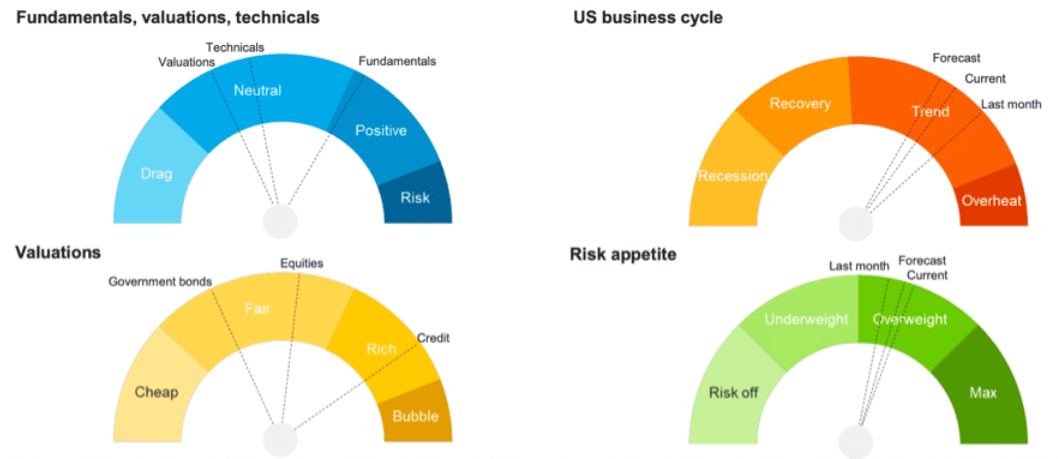
- Less conviction in the equity overweight: We remain overweight, but the Fidelity Leading Indicator is pointing to a deceleration in growth momentum, while fiscal support is set to become less supportive in H2.
- Regional equity opportunities shifting: Improving data and earnings revisions support our upgrade of Europe, while we have become more cautious on the UK.
- Currency views becoming more balanced: We have neutralised our positive US dollar and negative euro views, while becoming more bearish on the yen.
What has stayed the same?
- Reflationary regime remains supportive: Growth is slowing but remains at a reasonable level, while inflation is normalising following the Iran shock and breakevens remain contained.
- Earnings remain robust: Corporate earnings continue to provide support, particularly in Japan and Asia, while AI-related capex remains a powerful driver of activity.
- Equities still preferred to credit: Equity valuations are more manageable where earnings have risen, while credit spreads
remain very tight and offer limited compensation for risk.
What are we watching?
- Further deterioration in leading indicators: A continued decline in the FLI could signal a move towards a less supportive macro regime and would challenge our equity overweight.
- US consumer resilience: Fiscal support is fading and households no longer have the same tax-refund cushion to offset the impact of higher oil prices on disposable incomes.
- Bond-equity correlations: Higher yields are making duration more attractive, but persistently positive correlations with equities continue to limit government bonds’ usefulness as a portfolio diversifier.
Best ideas for investment outcomes
Growth
- Emerging market equities remain one of our highest-conviction opportunities, particularly Korea, Taiwan, and China A-shares.
- Broader US equity exposure can benefit as strong earnings and economic resilience spread beyond the largest AI-related companies. We see opportunities in areas including financials, quality income, and mid-caps.
Income
- High yield bonds continue to offer attractive all-in yields and resilient fundamentals. Tight spreads limit the potential for capital appreciation, so we see this primarily as an income opportunity.
- Quality income equities provide resilient cashflows and relative defensiveness in a more uncertain macro environment.
Capital preservation
- Gold continues to provide portfolio diversification in a world of elevated geopolitical uncertainty and less reliable asset correlations.
- Infrastructure and real assets linked to electrification, digital infrastructure, and energy security continue to offer long-term diversification benefits.
Uncorrelated returns
- Absolute return strategies, driven by active investment decisions and idiosyncratic sources of risk, can provide differentiated returns in an environment where traditional equity bond diversification remains less reliable.
Source: Fidelity International, September 2026. Views reflect a typical time horizon of 12–18 months and provide a broad starting point for asset allocation decisions. However, they do not reflect current positions for investment strategies, which will be implemented according to specific objectives and parameters.
Main image: chart, graph, invest, advcie, path-digital-tR0jvlsmCuQ-unsplash