























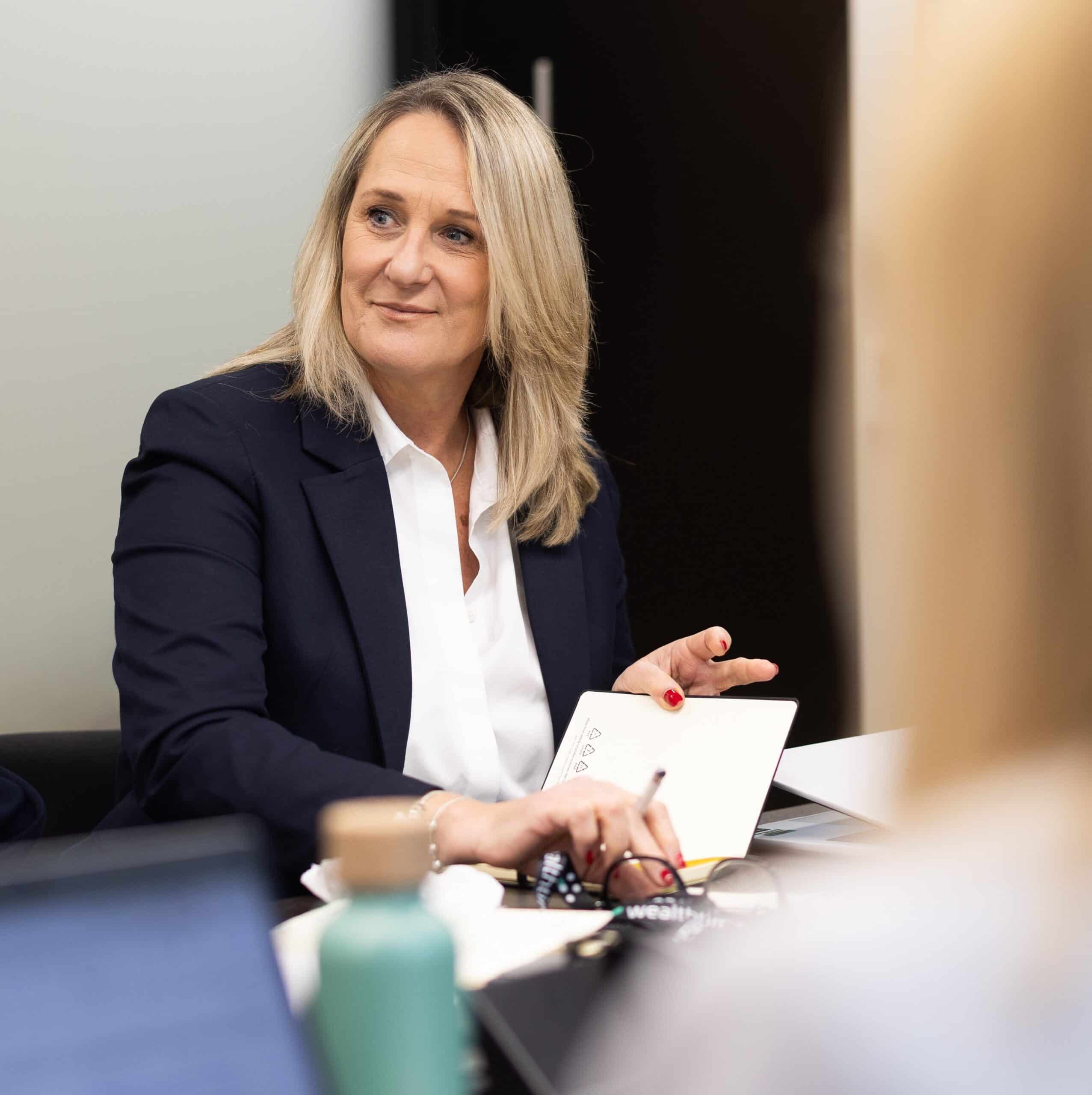
Kylie Clark, Customer Experience Director at Wealthtime, says that platforms must concentrate on getting the balance right in consistently executing the basics well, while continuing to improve the processes around them.
Clients place significant value on the quality of the advice they receive. The experience they remember, though, is just as much about how effectively that advice is put into action.
For most clients, the platform operating behind the scenes is largely invisible. They expect recommendations to be implemented smoothly and without unnecessary delay.
When delivery becomes slow, inconsistent or difficult to navigate, confidence can quickly erode and the whole advice journey suffers.
This creates a daily operational challenge for advice professionals. In my role, I see first-hand how much this affects paraplanners and advisers. Even where the advice itself is strong, issues with administration, responsiveness or execution shape how clients ultimately view the service they receive.
Clients don’t separate advice from delivery and you shouldn’t have to either.
That’s why a key focus for me is ensuring service is designed around how you actually work, instead of around how platforms happen to be structured internally.
It’s about making it easy to get to the right person quickly and ensuring cases move without unnecessary chasing or needing to do things twice.
Delivering advice today often means coordinating across multiple wrappers, managing provider queries and keeping clients updated, all under time pressure.
When processes are slow or inconsistent, too much time is spent managing friction rather than focusing on client outcomes. The priority is to reduce that friction, not add to it.
The lang cat’s 2026 State of the Advice Nation research reinforces what we see every day. As they put it, “Paraplanners are not asking for radical innovation, but for the basics to work properly.”
It highlights that this is about consistent, reliable delivery rather than over-engineering solutions.
The same issues continue to surface across the market – slow turnaround times, administrative delays and inconsistent execution. And while cost will always be a factor, service remains a primary driver of platform choice.
The lang cat found poor service was the main reason firms stopped using a platform, with cost only ranking fourth. That tells you where the pressure actually lies.
Improving the day-to-day service experience is just as important as investing in platform capability. That means reducing rework, cutting turnaround times and ensuring cases are actively managed from start to finish, alongside continuing to evolve our proposition.
As platform functionality becomes more consistent across the market, differentiation is increasingly defined by how well those fundamentals are delivered.
Adviser due diligence reflects this, with greater emphasis on the daily experience of using a platform rather than just feature sets or initial selection criteria.
Getting this right, in my view, comes down to ownership and accountability. You want providers who communicate clearly, understand what you are trying to achieve for clients and take responsibility for moving cases forward, rather than just logging queries and waiting to be chased.
This isn’t new thinking, but the gap between intention and experience still needs to close. The focus has to be on consistently executing the basics well, while continuing to improve the processes around them.
When that balance is right, cases progress with clarity, issues are resolved before they escalate and you can focus your time on delivering good client outcomes.
Main image: platform, charles-forerunner-gapYVvUg1M8-unsplash