

















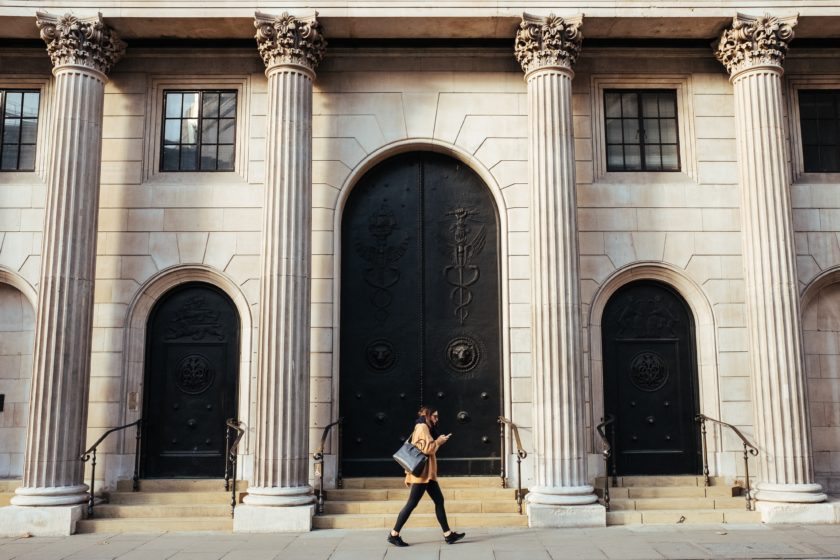
The Bank of England has raised interest rates to 4%, marking the first increase in more than three years.
The Monetary Policy Committee voted by a majority of 8-1 to increase the bank rate by 0.25 percentage points, while one member voted to increase the rate by 0.5 percentage points to 4.25%.
The Middle East conflict has pushed oil prices up in recent months, affecting both fuel costs and utility bills. As a result, inflation has risen to 3.5%, with the central bank warning that it is expected to reach 5% by mid-2027, as higher energy prices continue to take their toll.
According to bank governor Andrew Bailey there is “now enough inflationary pressure in the pipeline” to warrant a rate increase, raising the prospect of further hikes in the near future.
“Today’s increase shouldn’t be seen as the first in an inevitable long sequence of hikes. But, unless the conflict in the Middle East is resolved, neither does it seem likely to be the last increase,” he said.
“The MPC will judge the outlook at each meeting, responding as necessary to bring inflation sustainably back to our 2% target.”
Derrick Dunne, CEO of YOU Asset Management, responded to the news: “This hike comes as no surprise given where inflation is and the mood music around aspects of the economy such as energy markets going into winter.
“The effect of a rate hike on energy prices over which it has no control comes down more to intent than outcome. By signalling it is willing to act, the Bank is trying to get ahead of the problem and dampen some of the pass-through issues.
“This may not be enough though, given the Bank now expects inflation to peak around 5%. Large portions of the economy will be feeling the strain, from mortgage holders facing higher monthly payments, to businesses seeing their margins squeezed by high energy prices. At some point those costs have to be heaped on the end-consumer.”
Looking to the future, Isabel Albarran, investment officer at TrinityBridge, said: “The bigger question is what comes next. Futures are pricing significantly more tightening than most economists expect, even as higher bond yields are already doing some of the Bank’s work. If energy prices fall back before February, today’s move could be ‘one and done’. But if the conflict with Iran keeps oil prices elevated into 2027, the case for a second hike will become much harder to ignore.”
The decision to raise interest rates will come as a blow to mortgage holders, particularly for those on variable rates or approaching the end of a fixed rate deal.
Rob Morgan, chief investment analyst at Charles Stanley Direct, said: “In the short term, households and businesses may experience a dual squeeze of elevated prices and higher borrowing costs. Households with tracker mortgages or coming off a fix will be facing the full force of the storm.”
In contrast, higher interest rates will be welcome news for savers hoping to earn more on their cash. However, Alexandra Loydon, group advice director at St. James’s Place, urged consumers to shop around.
“For those with money to put away, higher interest rates are a good reminder to shop around and make sure your savings are earning the best return available. That said, today’s rate rise only tells part of the story. With the Chancellor announcing a further two percentage point increase in tax on savings income in last week’s Budget, savers need to think carefully about how much of that return they will actually keep.
“Inflation also continues to eat away at the purchasing power of cash, making it important to look beyond savings accounts when planning for the future. Investing through a well-diversified portfolio, while making use of tax-efficient allowances, is a good way to grow savings over the long term, allowing funds to benefit from compound interest.”
Main image: robert-bye-jeF-vyxytb4-unsplash