























In the latest Q&A article and podcast from Fund Calibre – technology investing goes far beyond hardware and consumer gadgets. This episode explores how the sector has evolved, focusing on the underlying “technology DNA” that now runs through industries from finance to healthcare.
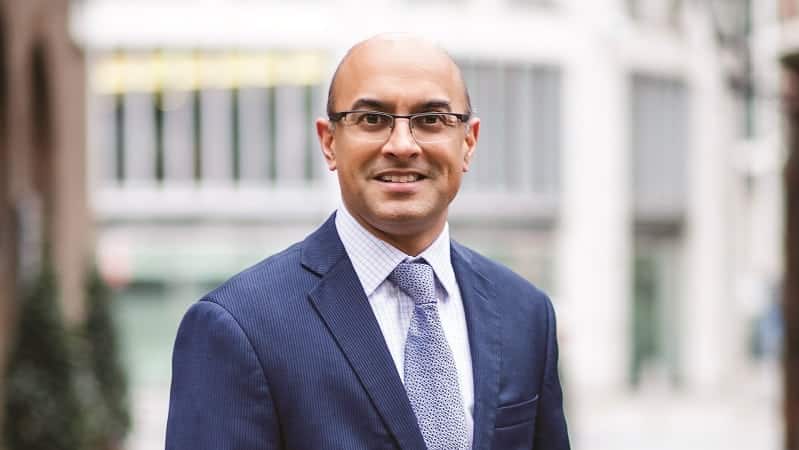
Jeremy Gleeson, manager of the Allianz Global Hi-Tech Growth fund, covers enterprise and consumer spending trends, the realities of AI investment and returns and the less glamorous but essential infrastructure powering innovation. We examine opportunities beyond the dominant mega-cap names, including mid-cap and Asian technology leaders, cybersecurity, networking and data infrastructure.
Why you should listen to the interview: Develop a clearer understanding of where technology growth is really coming from — beyond hype and headline stocks. It breaks down complex themes like AI, cybersecurity and diversification in a practical, investor-focused way, highlighting opportunities that often sit outside the main spotlight.
This interview was recorded on 12 January 2026. Please note, answers are edited and condensed for clarity. To gain a fuller understanding and clearer context, please listen to the full interview.
Interview highlights:
What really defines a technology company today
“Technology is so broad these days touching upon almost every aspect of our lives every aspect of a company’s existence and and beyond. So I go into this with a very open mind.
“I believe that most technology companies or companies that have a sort of a technology DNA don’t necessarily think about being classified as a technology company when they either start or when they decide to go into a new area of business, which might be something that their skillset lends well to.
“And we’ve seen this over time. We’ve seen the likes of Google, Alphabet, as they’re now known, start off as a search engine, and now they’re starting to put autonomous vehicles on the roads in the US and soon in London as well. We’ve seen Microsoft start off as an enterprise software company now making games, consoles and video games. And Apple have kind of, sort of jumped across all over the place.
“The important thing to think, is does the company have a technology first mindset regardless of where they’re based. So we are now finding technology companies in which are classified as financial services companies, industrial companies consumer obviously. And that’s just going to continue. So it’s more about the DNA of the company rather than are they being classically identified as a technology company.”
AI spending, innovation and return on investment
“If things changed very dramatically in late 2022 when we had the Chat GPT moment we are seeing a huge amount of innovation. And breakthroughs take place constantly around AI. Doing the maths on some of the investments that have been made or have been made and the potential ROI the returns on those investments in the future are challenging at the moment, because we don’t know what the future lies.
“There are, understandably some concerns that some of the spending is without merit, almost egotistical spending. But we don’t believe we are there yet. We are starting to see some emergence of humanoid robotics, autonomous vehicles, the opportunities are expanding but we’ve got to keep an eye to make sure that the spending is not getting completely out of whack with what those opportunities are.”
The “boring” technologies quietly benefiting from AI
“A year ago we flagged one of the themes of 2025 to be around high speed networking. Optical components have been around for decades, powering our internet for the last 20 plus years, those components are now being used inside the AI data centres that are being built. And so these companies are actually enjoying a secular growth tailwinds, which they haven’t enjoyed for quite some time. So they’ve gone from being these sort of somewhat boring, very cyclical, somewhat unpredictable companies to now enjoying secular growth as well and we think 2026 is going to be a great year for them too.”
Is AI another dotcom bubble?
“We are not seeing the sort of the huge flood of IPOs take place with lots of capital being raised for companies with unsustainable or challenged business models, even within the technology sector, there are very big ongoing debates right now. Nvidia is trading on an S&P like multiple if actually possibly, even a discount to the S&P, which doesn’t strike me as optically something that you would expect to see in a bubble.”
Conclusion: Technology continues to reshape economies, businesses and everyday life, but successful investing in the sector requires looking beyond the obvious winners. This conversation highlights the importance of diversification, understanding spending drivers and recognising where long-term growth is quietly building.
Past performance is not a reliable guide to future returns. You may not get back the amount originally invested, and tax rules can change over time. The writer’s views are their own and do not constitute financial advice.
This information should not be relied upon by retail clients or investment professionals. Reference to any particular investment does not constitute a recommendation to buy or sell the investment.
Main image: ales-nesetril-Im7lZjxeLhg-unsplash