
























The menopause could cost female employees as much as £126,000 in retirement savings, new research from Royal London has revealed.
According to a new report by the life and pensions company, ‘Bridging the Gender Pension Gap’, women are more likely than men to reduce their hours or exit work together in their 50s.
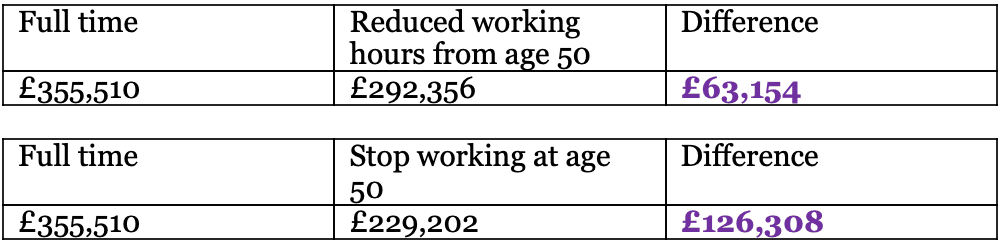
Women who move to reduced hours as a result of the menopause could miss out on over £63,000 in retirement savings as a result compared to a 50-year old women who remains in full time work until the state pension age of 67.
Those who stop work altogether – with a study showing that as many as one million women have had to do so because of menopausal symptoms – could face a shortfall of £126,308 in retirement savings.
Royal London warned that the challenges faced by women during menopause are largely unregistered when it comes to discussing women’s retirement savings and the gender pension gap.
Workers have been shown to be most focused on saving when approaching their retirement, with those aged 55 and over saving more than twice as much as those aged 18 -34.
Royal London said there continue to be “significant disparities” between women and men when it comes to their confidence and approach to retirement.
Just one fifth of women contribute over the statutory minimum of 8% into their workplace pension, compared to 28% of men. Earnings also pose a key challenge, with 50% of women viewing their earnings as a barrier to saving more versus just 30% of men.
As a result, almost half (48%) of women said they weren’t confident that their pension contributions will be enough to provide them with sufficient income in retirement, compared with only 28% of men.
Clare Moffat, pensions expert at Royal London, said: “While the introduction of automatic enrolment ten years ago helped more women than ever save into a pension, the UK still faces a yawning gender pension gap.
“Women in their 50s, for a variety of reasons, are much more susceptible to leaving the workforce than men. Separate studies show that caring responsibilities mean women are twice as likely to be forced to leave their job than men. However, a notable barrier to remaining in work, which is only just beginning to receive increased awareness, is the menopause.
“While symptoms vary between individuals, for many women the menopause can have a big impact on their everyday life, often resulting in them reducing the hours they work or stopping work altogether. It’s only further down the line that the resulting missed pension contributions becomes apparent, but by then it may be too late.”