























In the latest FundCalibre podcast, Vincent McEntegart, Co-Manager of the Aegon Diversified Monthly Income highlights that diversification, valuation discipline and flexibility are crucial when delivering a sustainable income.
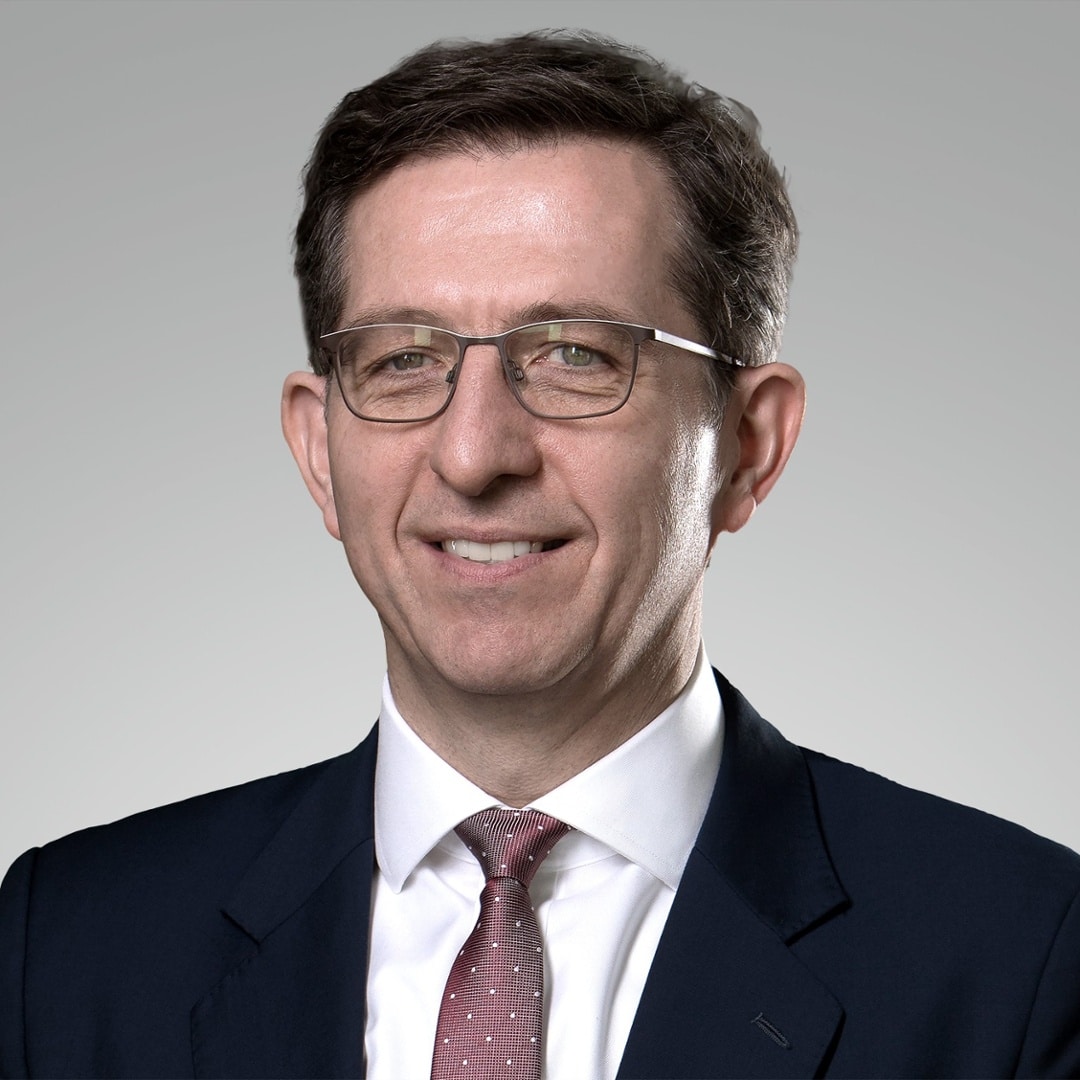
In Fund Calibre’s interview with Vincent McEntegart, they find out why a 5% income target was chosen, how income is sourced across equities, bonds, alternatives and currencies and how the portfolio has adapted as interest rates have risen.
Also discussed, is the role of duration management, portfolio diversification, currency hedging and disciplined rebalancing in protecting investors through market volatility, particularly for those in or approaching decumulation.
Why you should listen to the interview: If you’re focused on income, retirement planning, or managing drawdown risk, this interview offers practical insight into how a monthly income portfolio really works.
It explains the trade-offs between income and growth, how risks are managed and how portfolios evolve as markets and interest rates change.
This interview was recorded on 9 February 2026. Please note, answers are edited and condensed for clarity. To gain a fuller understanding and clearer context, please listen to the full interview.
Interview highlights:
The 5% “sweet spot”
“The fund is almost 12 years old, so when we first launched back in 2014, it was a very different environment, but when you launch a fund, you obviously have to think, what are the objectives?
What is it you’re trying to achieve? And we felt that at that time and still today, that investors would appreciate a fund that was able to do two things for them: give them income, but also to give them some capital growth.
And so it becomes about trying to find the sweet spot, wherever that might be in terms of how much income, how much capital growth.
“We ended up setting the objective for the fund at 5% income target and sort of 1-2% growth.
There are different ways of thinking about that. If say we had picked 4%, well when you think about it in income terms, a fund that delivers 4% versus a fund like ours that aims to deliver 5%, that extra 1% might not sound like a lot, but 1% of 4% is 25%.
So by aiming for 5% rather than 4%, we’re essentially delivering people 25% more income. That’s like a 25% salary increase.”
Why retirement income is such a hard financial problem
“It’s difficult to say for all retirees, to come up with one answer that suits everyone because clearly everybody’s different.
“And so you know, when academics have looked at this and thought about, well, what is the sustainable amount of income you control out of a pot of money? And they often approach that from the point of view of the assumption that the pot of money is still existing for a long time.
“So think of an endowment for a university or something. It’s not the lifetime of an individual who might retire and live for 20, 30 years or whatever. This is for an endowment that goes on forever.
“You know, that’s a different thing, right? So when people have looked at these problems and thought about what is sustainable, a number like 3-4% has been the number they’ve come up with.
“As we’ve said, we are aiming for 5% but we do genuinely hope and that people who invest in our fund, their original capital, we pay out 5% in natural income.
“We don’t use capital to get to that 5%. And so the the aim of the fund is to not only give investors who buy the income shares that that nice level of income, but also that their original capital will still be there.
“Now if you want more, you can drawdown some of that capital and by selling some shares, but that’s a choice for the individual.
“It was William Sharp, the famous economist of the sharp ratio who said that decumulation is the hardest problem in finance.
“And I think that’s true. It’s a really tricky thing to manage. And all we are trying to do with our fund is give people an option to get them through that.”
Low-yielding tech stocks
“Picking last calendar year, 2025, the fund continued to deliver the historic yield, which is one of the yield measures that we quote when you look at the factsheet was 5.3% for 2025.
“But the total return on the fund was just over 13%. So the capital growth element was an excessive 7% last year. And so the reason I mentioned that is to make the point that this fund can achieve two things.
“It can deliver you a 5% yield, but it can also deliver you good capital growth.
“And of course that capital growth last year was definitely supported by our exposure to US technology companies. Now, those US technology companies did a wonderful job for the fund in terms of delivering capital growth.
“They didn’t deliver very much income. We still managed to achieve at the fund level the 5.3% yield. But that’s because at any point in time when we’ve got over a hundred different securities in the fund.
“Some of them will have very low yields, less than 1%, and some of them can have much higher yields numbers like 7, 8, 9%, and it’s the blend of those different yields that helps us to get to the target of 5%.
“And then it’s also the blend that helps you to get some capital growth.
“And of course your choices as active fund managers as to what you put the capital into will determine whether that capital growth is a bigger number or a smaller number.
“So that’s why I think it’s people perhaps do find it interesting or unusual that as a fund that’s targeting income, that you might have very low income assets.
“But that’s the beauty of a multi-asset fund like this where you can balance off higher yielding assets like some currencies, some bonds against lower yielding assets like technology equities and deliver both of the objectives of yield and capital growth.”
Conclusion: Delivering sustainable income is about far more than chasing yield. As this discussion highlights, diversification, valuation discipline and flexibility are crucial, particularly in an evolving interest rate environment.
For those navigating retirement or planning ahead, this approach offers a thoughtful framework for long-term income investing.
Past performance is not a reliable guide to future returns. You may not get back the amount originally invested, and tax rules can change over time. The writer’s views are their own and do not constitute financial advice.
This information should not be relied upon by retail clients or investment professionals. Reference to any particular investment does not constitute a recommendation to buy or sell the investment.
Main image: towfiqu-barbhuiya-jpqyfK7GB4w-unsplash