






















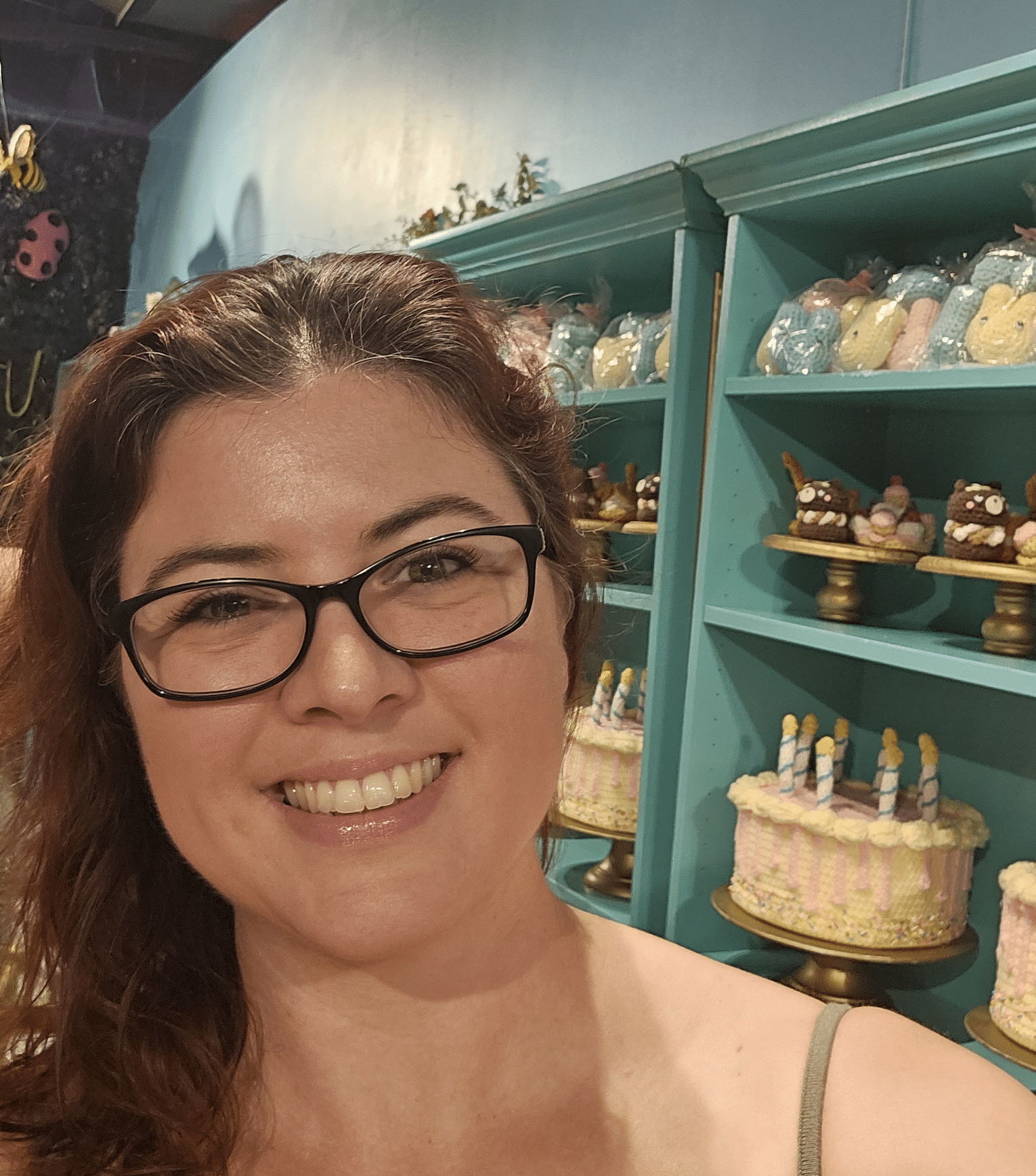
Ashley Wiltshire, Director of outsourced firm Wiltshire Paraplanning, reviews what she learned in the past year, as business owner, paraplanner and as she delved further into the use of AI.
2025 was not an easy year. It felt heavy at the start, moved into a prolonged phase of uncertainty, and only began to feel clearer towards the end. Much of that uncertainty stemmed from one topic dominating industry conversations: artificial intelligence.
At first, AI was positioned as a solution — faster, cheaper, more efficient. For many advisers, it appeared to offer a way to reduce costs and turnaround times. But as the year unfolded, it became clear that while AI has enormous potential, it is not yet a replacement for good paraplanning. If anything, 2025 forced the profession to look more closely at where real value sits.
For me personally, it was also a year that required stepping back and reassessing my own business. Even after twelve years of running it, I realised there was still plenty to learn.
AI in 2025: A powerful assistant, not a paraplanner
There is no doubt that AI can be an incredible tool. Used well, it can save time, support efficiency and act as a highly capable assistant. Drafting simple letters, summarising information, or supporting administrative tasks are all areas where AI can genuinely help.
What AI is not — is a paraplanner.
Early in the year, there was a narrative that advisers would no longer need paraplanners, that AI could simply take over. Even the most basic outputs still require accurate information, context and oversight. Someone still needs to understand the client, the recommendation, and the compliance implications.
In practice, many advisers found that while AI promised speed, it often shifted the workload rather than reducing it. More time was spent checking inputs, correcting inaccuracies, or finding someone with the technical and compliance knowledge to sense-check what had been produced. Where paraplanners had strong systems and processes in place, they were often just as fast — and significantly safer.
AI hasn’t reduced the need for paraplanners — it has raised the bar for what good paraplanning looks like.
What 2025 made clear is that AI doesn’t remove risk — it exposes where risk already exists. AI relies entirely on the quality of the information it is given. When that information is incorrect, the output inevitably follows.
Why some paraplanners struggled
One of the most noticeable shifts this year was how quickly skill gaps became visible.
Paraplanners who had not kept up with changes, or who relied heavily on generic wording and minimal personalisation, found themselves being rivalled by AI. If someone was unwilling to learn, adapt or move beyond “how it’s always been done”, they were left behind.
The paraplanners who thrived were those who thought beyond task completion. They changed how they worked, refined what they offered, and became clearer about the value they bring to an advice business. 2025 forced paraplanners to identify themselves within the industry and, in many cases, make a bit more noise to stay relevant.
The personal detail that still matters
What continues to set a good paraplanner apart is not speed alone, but the ability to translate conversations into something meaningful.
Building the bigger picture, understanding the nuances between adviser and client discussions, and producing reports that flow, make sense and remain client-friendly is not something AI can replicate without direction. That level of personal detail requires experience, judgement and a deep understanding of both advice and regulation.
This is where paraplanning proves its value beyond the output itself.
The hard business lessons of 2025
From a business perspective, 2025 delivered some uncomfortable but necessary lessons. Whatever had been working was no longer the case.
I had already been thinking in 2024 that something had to change, I just didn’t know what. It was so frustrating!
Hiring was one of them. We switched to taking on more employed staff than outsourcing, with the goal of improving the overall profit in the business. That has been tougher than expected but I feel this came down to not having any baseline structure in place before we did this, i.e. standard operating procedures, our mission as a company, etc.
As mentioned, systems were another major learning point. Standard operating procedures are not overrated. Clear handovers save time, reduce frustration and protect quality. We’ve worked hard towards the end of this year to put proper systems in place, ready for 2026, and the difference is already clear.
Perhaps the biggest shift for me was finally seeing the business not as an outsourced paraplanning service, but as a true integration into advice practices. Stepping beyond paraplanning to support administration, strategy, growth and even exit planning has fundamentally changed how we add value.
Paraplanners in 2025: A growing, supportive profession
One of the most positive things I noticed this year is how much the paraplanning community has grown. Numbers are increasing, and there is more peer support than ever before. Conversations are more open, collaboration is stronger, and the profession feels less isolated than it once did.
That sense of shared experience has been important in a year that challenged many people.
What paraplanners need to hear going into 2026
If there is one message paraplanners need to take into the year ahead, it’s this: keep up with industry change.
Legislation, regulation and expectations continue to evolve, and staying relevant requires ongoing learning. AI should be embraced where it saves time and supports efficiency — but intentionally, not blindly. Used well, it can enhance good paraplanning. Used poorly, it can increase risk.
But mostly, find your people. Join a group or network and soak up all of the knowledge and experience. It will expand your thinking and perhaps encourage you to explore different ways of working.
What I’m taking into 2026
As we move into 2026, we’re starting the year with a new company name that reflects a broader service proposition — not just paraplanning, but administration and business strategy, including support around growth and selling.
We now have a clear mission, values and vision, alongside full standard operating procedures that allow us to work efficiently and confidently. That structure means growth feels achievable rather than overwhelming.
More broadly, I believe the industry needs to focus less on cost and more on quality and value for money. Cheap solutions rarely deliver good outcomes.
If 2025 taught me anything, it’s that being a business owner is not for the faint of heart. More than ever, I had to step fully into my CEO role and make decisions for the benefit of the business and the people within it. I’ve realised how much I love helping others succeed — and equally how important it is to find your people. Surround yourself with like-minded successful people and they will enable you to find your own path and success.
Main image: laurin-steffens-IVGZ6NsmyBI-unsplash