



















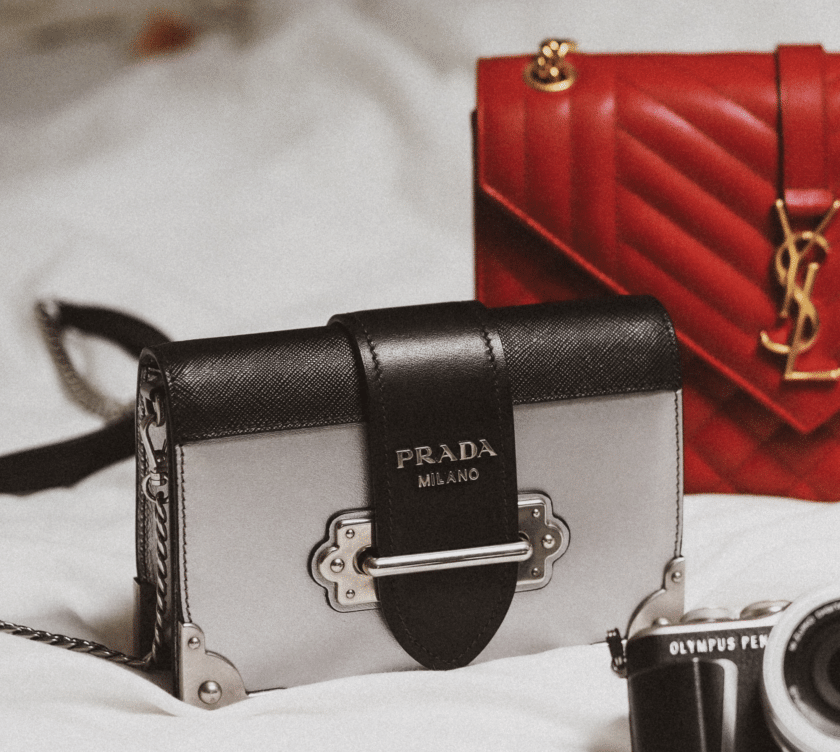
Tzoulianna Leventi, investment manager, abrdn, highlights the smaller names behind the boom in big luxury brands and what this means for investors.

Coco Chanel was one of the earliest fashion designers to understand the phenomenal business potential in creating fragrance and cosmetics under her label for the huge number of customers who wanted the aura of Chanel but couldn’t afford her designer clothing.
Today, the global cosmetics market for fragrance, makeup and personal care items is booming, having seen growth of over 16% since the start of the year. The UK consumer is one of the top spenders, paying an average £391 per year on skin, hair, makeup and fragrance products. In Europe, the cosmetics market is worth €80bn per year with Germany, France, then Italy the top-spending countries. Meanwhile, in Asia, this market is set to grow from $5.70 bn in 2021 to USD $14.75 bn by 2028.
Luxury brands in particular have seen runaway performance since Covid lockdowns have eased and consumer appetite has returned.
LMVH – parent to brands such as Louis Vuitton, Guerlain and Tiffany – has become Europe’s first $500bn company, with sales up 17% in the first three months of the year. Working hard behind the scenes of the big names are some interesting smaller companies, researching, developing, creating and ‘white labelling’ the quality products sold under those luxury brand labels. And this is where some exciting opportunities may be found by investors.
Intercos is not a household name, but this Italian company manufactures branded cosmetics for some of the biggest labels in the world. Skincare for French fashion houses and lipsticks for A-list celebrity brands are among the products made under strict NDA agreements and are the reason the company has been under the radar as it enjoys the boom in the industry since lockdown restrictions eased.
French company Interparfums has similar agreements with major brands and celebrity names to make upmarket perfume under licence. It has recently signed deals with fashion brands Lacoste, DKNY and the exclusive Italian clothing label, so beloved of the skiing set, Moncler. With these contracts in place, we expect to see robust growth ahead from this manufacturer, especially as fragrance is a clear growth market. Sales of prestige fragrances were up 49% year-on-year in 2021, while mass fragrance sales rose by 45%, with fragrance sales matching skincare sales for the first time. The home scents market is also on a significant growth trajectory.
As developing countries grow in affluence, an inevitable rise in demand for consumer goods follows. People with more money in their pockets are choosing to spend on the affordable luxuries that will elevate their everyday lives and this includes skincare, haircare products and makeup.
The rise of the online influencers is only accelerating this trend, with social media influencers all over the globe now actively promoting and selling products so they can make a slice of the profits.
Proya Cosmetics, China’s biggest cosmetic company, makes skincare, haircare and makeup across a range of brands and price points and is focused on its core consumer base in China. Due to the commitments it has made to environmental improvements and to promoting female health, female employment and gender equality, the company has made significant improvements to its ESG credentials, but there is still some way to go before it can join the majority of other Chinese consumer discretionary companies at the top of the ESG ratings.
In 2020, global spending on the beauty industry was $483 bn and by 2025, that’s expected to increase to $716 bn. By the end of this year, online sales are predicted to contribute 48% of the total spend. So, this is a fascinating industry, poised for significant global growth and already well prepared for the digital shift in consumer behaviour.
It’s evident that the opportunity for investors goes beyond the big luxury brands. For those willing to put in the research, there’s some innovative smaller companies behind the scenes offering potential compelling returns. The ‘affordable luxury’ industry has a particularly defensive character, no matter the timing of the economic cycle. As Marilyn Monroe said: ‘It’s true that a smile is the best makeup one could wear, but a lipstick is always useful’.
Global market growth in 2022: Cosmetics industry – statistics & facts | Statista
Average UK spend: 450 euros, so made it £391: Cosmetics: average annual spend worldwide 2020 | Statista
European cosmetics market value: Cosmetics Europe – The Personal Care Association :: Cosmetics Industry
ASEAN market stats:https://www.fortunebusinessinsights.com/asean-cosmeceuticals-market-106253