






















Just 12 months ago, Alannah Kinsella was sitting in the audience at a Future Adviser event, wondering what the move into advice might look like. Now advising clients herself, she reflects on what surprised her most about the transition and shares the practical steps that helped her get there.
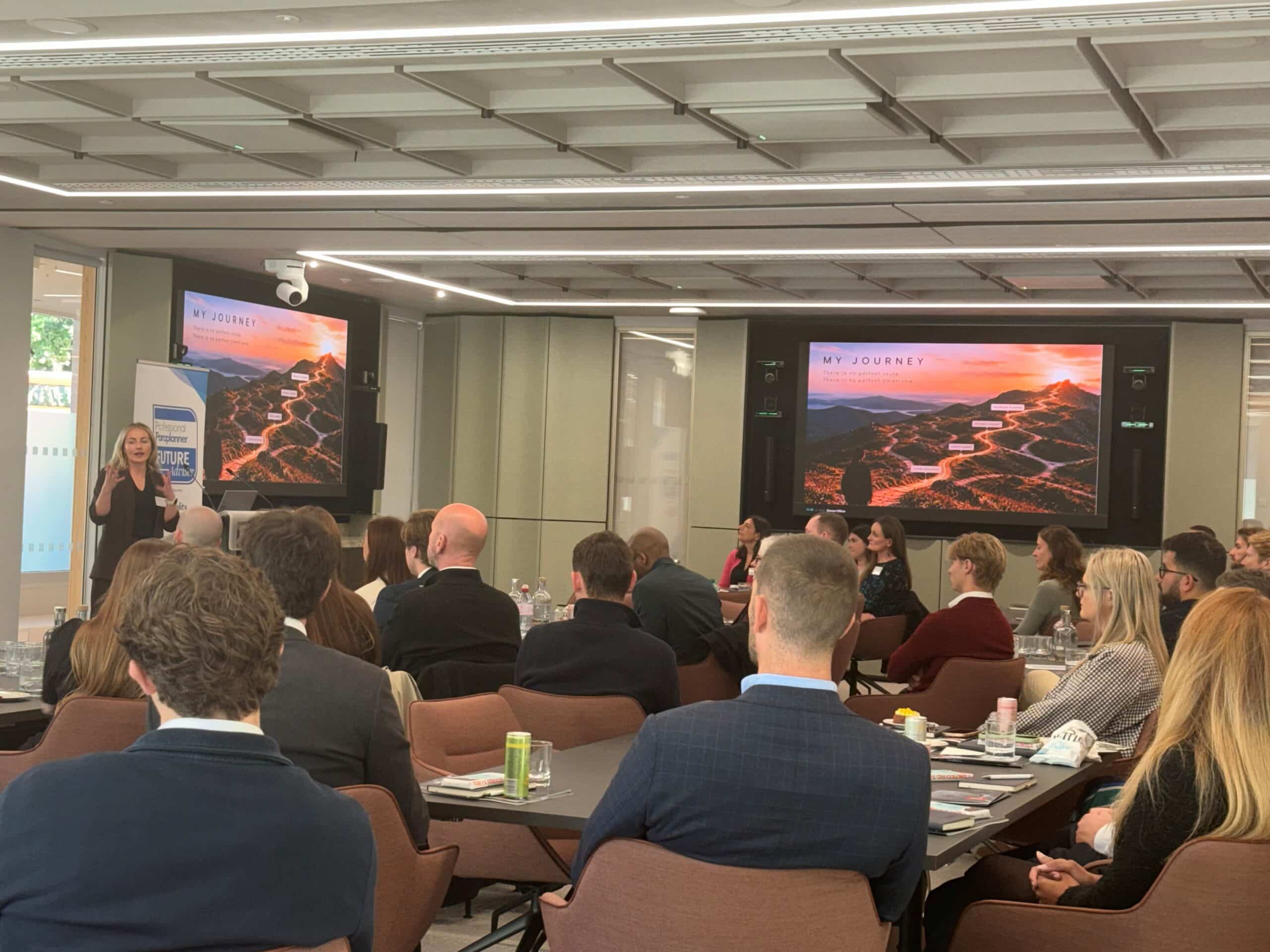
One of the most reassuring messages aspiring advisers can hear is that there is no perfect route into advice.
That’s certainly something that came through when Alannah Kinsella shared her story with attendees at our recent Future Adviser event.
Just a year ago, she was sitting where many of them were sitting, thinking about the next step and wondering how close, or how far away, that step might be.
Looking back, she admits there was no master plan.
Like many people in financial services, she didn’t always know she wanted to become a planner. In fact, one of the strongest messages from her session was the importance of understanding why you want to become an adviser in the first place.
Becoming a planner isn’t really the end goal. The role itself is a vehicle that allows you to do something else. That something else for Alannah, is working with people, understanding their circumstances and helping them make meaningful decisions about their future.
That sense of purpose became increasingly important as she progressed.
The question that follows many aspiring advisers
Something that comes up repeatedly in Future Adviser conversations is readiness.
When will I know I’m ready? Will there be a moment where everything clicks into place and the nerves disappear?
Alannah said the answer for her was a resounding no.
Even after qualifications, training and support, there wasn’t a morning where she woke up and suddenly felt ready for every client conversation she would ever have.
She suggested that even experienced planners would struggle to claim that level of certainty.
Instead, she encouraged attendees to think differently about readiness. Rather than waiting to feel completely prepared, she believes advisers become more comfortable through doing the role itself. It’s a subtle distinction, but an important one.
What the transition actually feels like
Much of Alannah’s session focused on the reality of moving from support roles into client-facing advice.
It’s easy to imagine that the biggest challenge will be remembering technical information or getting recommendations right. What surprised her was that the emotional side of the transition felt far more significant.
Before a meeting, there are often nerves. There can be over-preparation – Alannah is a self-confessed over-preparer! There is also the very real realisation that the person sitting opposite is looking to you for guidance.
That responsibility feels different when you’re the planner in the room rather than the paraplanner supporting the advice behind the scenes.
But she was also keen to point out that clients are not looking for perfection.
They’re not trying to catch advisers out or test technical knowledge. Most simply want someone who understands them, listens carefully and helps them think through what comes next.
The real challenge often starts after the meeting.
Like many advisers, Alannah admits to replaying conversations afterwards and wondering whether she should have handled something differently.
Over time, however, she has learned the importance of reflecting, taking the lesson and moving on rather than getting stuck in endless self-criticism.
From knowing to doing
One of the most thought-provoking parts of her presentation was the distinction between knowing something and doing something.
Paraplanners spend years developing technical knowledge. They understand recommendations, regulations and planning strategies.
Yet stepping into advice requires another shift – using that knowledge in real time and applying judgement in situations where there isn’t always one perfect answer.
Alannah says one of her biggest lessons has been understanding that the technically perfect solution is not always the right solution for the client.
It is often more important to understand the person, the context and the wider story before deciding on the way forward.
Technical competence remains essential but, adviser judgement is something different.
The practical things that helped
When discussing what helped her develop, Alannah focused on actions that aspiring advisers can start taking now.
Client meetings featured heavily. Not simply sitting in the room but actively observing how advisers conduct meetings and asking questions afterwards about why conversations unfolded in a particular way.
As confidence develops, she encourages people to become more involved and take opportunities to contribute.
She also highlighted the importance of practising explanations out loud, in the mirror, in the car, on a walk!
Something that feels simple in a suitability report can sound very different when spoken. Learning how to explain things clearly takes practice, and practice does not have to wait until you become an adviser.
Relationships also came up – relationships with colleagues, advisers and mentors all played a role in her development, helping her learn from others and gain confidence along the way.
Perhaps the strongest piece of advice she gave, however, was this – to say yes.
Say yes to opportunities, to exposure, to experiences that feel slightly uncomfortable.
And make your ambitions known.
Will somebody give you the opportunity to become an adviser if they don’t know that’s what you want? It’s a simple question, but a valid one.
By the end of the session, there was one message that seemed to resonate most strongly.
Confidence doesn’t come before the action. More often, it follows it.
Main image: ready, go, drew-beamer-aHaNA8Qcpa8-unsplash